


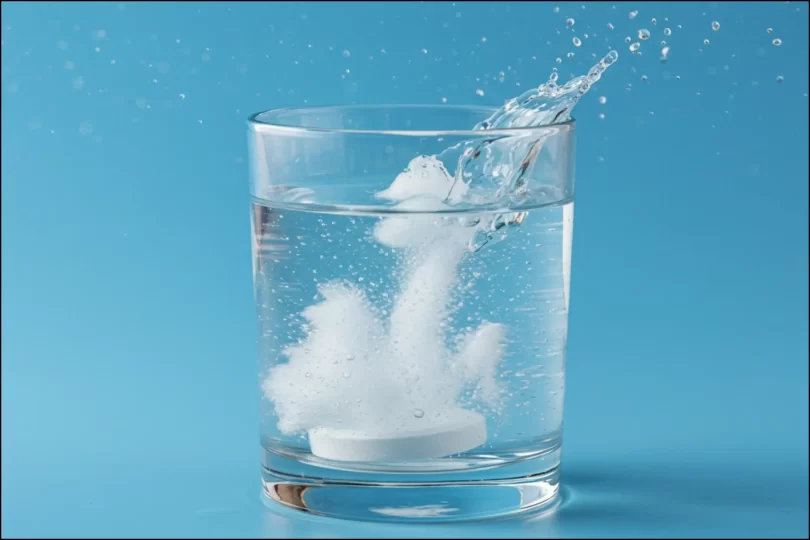
Quick answer: Water is called the universal solvent because it dissolves more substances than any other liquid. Its molecules are polar — slightly positive at one end, slightly negative at the other — so they surround and pull apart charged particles like salt. This does not mean water dissolves everything (it cannot dissolve oils or fats), but no other common liquid dissolves more, which is why the U.S. Geological Survey uses the term.
Water is often called the universal solvent because it can dissolve more substances than any other liquid, and that single property shapes daily life and the natural world alike. From stirring sugar into tea to carrying nutrients around your body, water’s dissolving power is quietly doing the work. This article explains the science behind it — why water’s molecular structure makes it such an effective solvent, and where the “universal” label holds and where it doesn’t.
What does “universal solvent” mean?
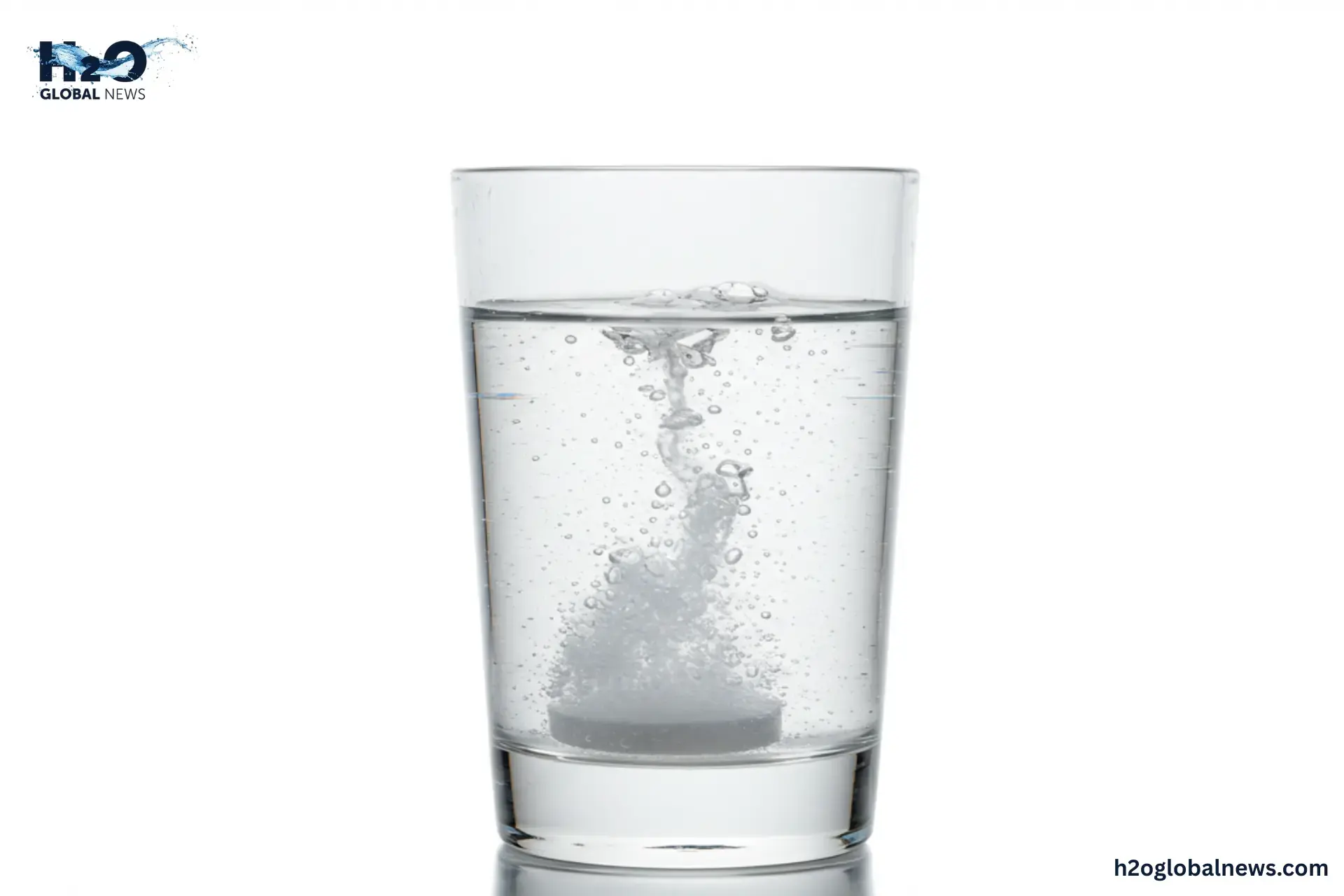
A solvent is the liquid that does the dissolving; a solute is the substance being dissolved. When you stir salt into water, water is the solvent and salt is the solute.
Calling water the universal solvent is a slight exaggeration, and it helps to be precise about it. Water does not dissolve everything — it cannot dissolve oils, fats or plastics, which are non-polar. What it can claim is that it dissolves more substances than any other liquid, including a huge range of solids, gases and even some other liquids. That is the sense in which the U.S. Geological Survey and chemists use the term.
Why is water called the universal solvent?
Three properties of the water molecule work together to make it such a powerful solvent.
1. Water is a polar molecule
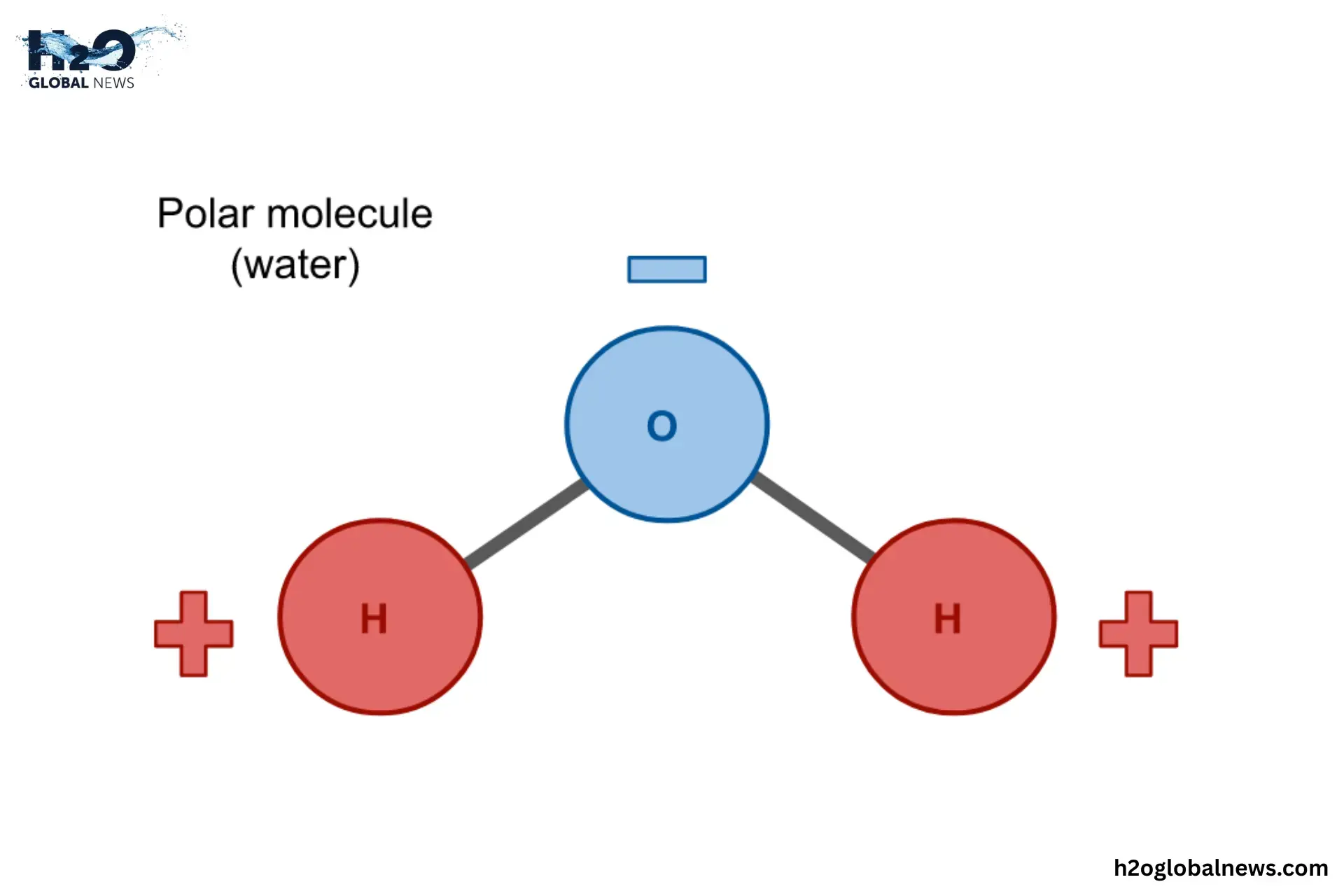
A water molecule has a slightly negative charge on its oxygen side and a slightly positive charge on its hydrogen side, like a tiny magnet. This polarity lets water surround other charged or polar molecules and pull them apart. Put table salt (sodium chloride) in water and the positive side of the water molecules attracts the chloride ions while the negative side attracts the sodium ions, prising them apart until the salt dissolves. The salt hasn’t vanished — it has broken into ions spread evenly through the water. According to the U.S. Geological Survey, this polarity is exactly why water dissolves more substances than any other liquid.
2. Water forms hydrogen bonds
Water molecules attract one another through weak links called hydrogen bonds. The same bonding lets water molecules cluster around dissolved particles and keep them suspended, stopping them from clumping back together — a big part of why dissolved substances stay dissolved.

3. Water has a high dielectric constant
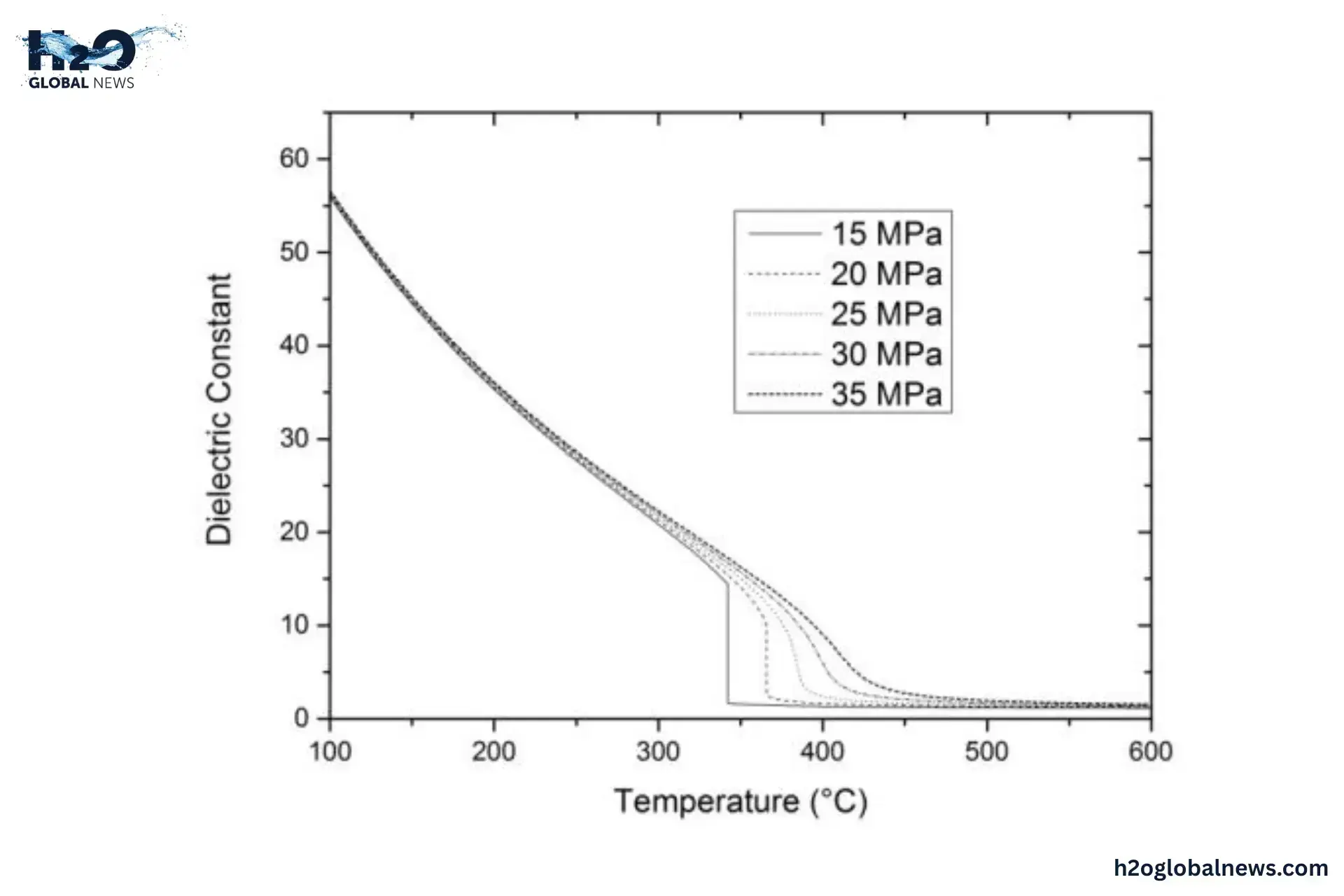
The dielectric constant measures how well a liquid can separate positive and negative charges. Water’s is about 80 at room temperature, far higher than liquids such as alcohol (around 25) or benzene (around 2). A high dielectric constant means water strongly weakens the attraction between oppositely charged ions, pulling them apart and keeping them dissolved. This is what makes water so good at dissolving salts, acids and many other chemicals.
Real-life examples of water as the universal solvent
Water’s dissolving power shows up everywhere once you look for it.
- In your body. Blood plasma is over 90% water, and it dissolves glucose, oxygen, carbon dioxide, hormones and nutrients so they can travel to where they’re needed.
- In daily life. Making tea or coffee, cooking, and cleaning all rely on water dissolving flavours, salts and grime from surfaces, clothes and skin.
- In nature. As water moves through soil and rock it dissolves minerals, slowly shaping landscapes — carving caves and carrying dissolved nutrients into rivers and oceans. The same property is why water so easily picks up and carries contaminants, making it central to many examples of water pollution.
- In your water supply. Dissolved minerals such as calcium and magnesium are what make water “hard” — a direct, everyday consequence of water’s dissolving power, explored in hard vs soft water.
Why it matters
Water’s role as the universal solvent is not a chemistry-class curiosity — it underpins life and the planet. Because water can carry dissolved nutrients, it feeds every cell in your body and every plant in a field. Because it dissolves minerals, it shapes geology and delivers the elements ecosystems depend on. And because it picks up almost anything it touches, it also transports pollutants, which is why protecting water quality matters so much. The same property that makes water essential also makes it vulnerable.
Conclusion
Water earns the title of universal solvent through its polar structure, its hydrogen bonding and its unusually high dielectric constant, which together let it dissolve more substances than any other liquid. It doesn’t dissolve everything — non-polar substances like oil are the classic exception — but nothing else comes close. That dissolving power is what allows water to carry nutrients through living bodies and shape the world around us.
Key takeaways
- Water is called the universal solvent because it dissolves more substances than any other liquid, not because it dissolves everything.
- Three properties drive it: polarity, hydrogen bonding and a high dielectric constant (about 80).
- Polarity lets water pull apart charged particles like salt into ions.
- It cannot dissolve non-polar substances such as oils and fats.
- The term is used by the U.S. Geological Survey and is central to biology, geology and water quality.
Frequently asked questions
It means water dissolves more substances than any other liquid. The label is not literal — water cannot dissolve everything (for example oils and fats) — but no other common liquid dissolves a wider range of solids, gases and liquids.
Because its molecules are polar, form hydrogen bonds, and give water a high dielectric constant (about 80). Together these let water surround and pull apart charged particles, dissolving more substances than any other liquid.
Water is usually the solvent — the liquid that dissolves other substances. It rarely acts as a solute.
Yes. Water has a slightly positive hydrogen side and a slightly negative oxygen side, and that polarity is what lets it attract and dissolve so many substances.
No. Oils and fats are non-polar, and polar liquids like water do not mix with non-polar substances — which is why oil and water separate.
Its polarity and high dielectric constant let it weaken the forces holding charged particles together, pull them apart into ions, and keep them suspended so they stay dissolved.
Sources
- U.S. Geological Survey, Water Science School, Water, the Universal Solvent.
- Standard physical chemistry references — dielectric constant of water ≈ 80 at room temperature (vs. ~25 for ethanol, ~2 for benzene).