


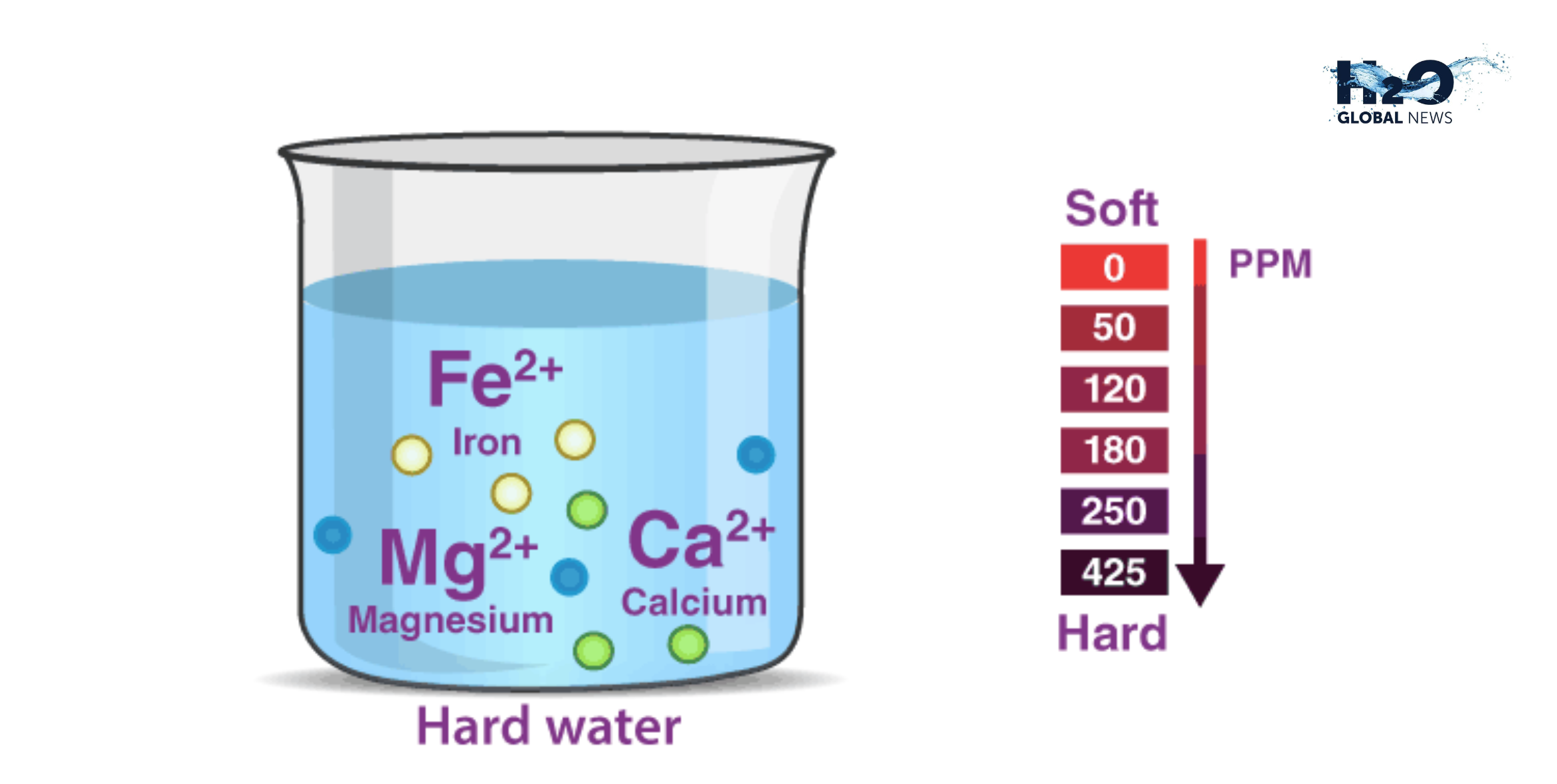
Quick answer: The difference between hard and soft water comes down to minerals. Hard water contains high levels of dissolved calcium and magnesium; soft water has little or none. Hard water leaves limescale and makes soap harder to lather, while soft water lathers easily and protects appliances — but both are safe to drink for most people.
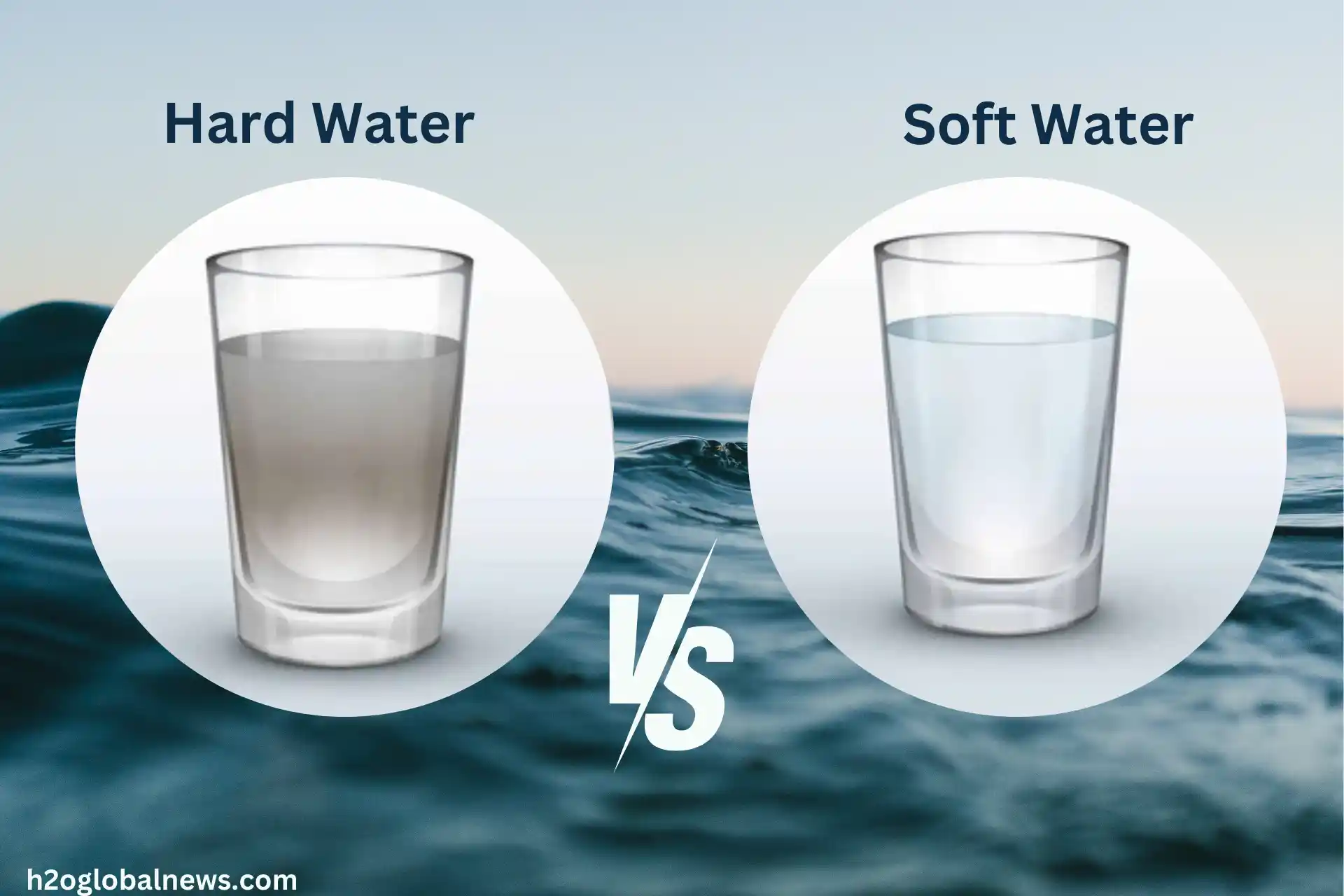
You have probably heard of hard and soft water, but the real difference comes down to how much calcium and magnesium the water carries. Hard water is rich in these minerals; soft water has almost none. Which one comes out of your tap depends mostly on local geology and your water source, though many households install softeners to convert hard water to soft. It matters because the two behave very differently around the home.
What’s the difference between hard and soft water?
Hard water contains high concentrations of calcium and magnesium ions; soft water has had most or all of these removed. The table below sums up how they compare.
| Feature | Hard water | Soft water |
|---|---|---|
| Minerals | High calcium & magnesium | Little or none |
| Soap & lather | Poor lather, needs more soap | Lathers easily with less soap |
| Scale & appliances | Limescale builds up, shortening appliance life | No scale, longer appliance life |
| Feel | Can leave skin dry, spots on dishes | Feels smoother, no spotting |
| Health note | Safe to drink; adds some minerals | Safe; can be slightly corrosive to old pipes |
Water hardness scale
Hardness is measured as calcium carbonate, either in milligrams per litre (mg/L) or grains per gallon (gpg). The U.S. Geological Survey classifies water as:
- Soft: 0–60 mg/L (about 0–3.5 gpg)
- Moderately hard: 61–120 mg/L (about 3.5–7 gpg)
- Hard: 121–180 mg/L (about 7–10.5 gpg)
- Very hard: over 180 mg/L (above about 10.5 gpg)
Effects of hard and soft water on your home
- Soap and lather. Hard water reacts with soap and resists lathering, so you need more soap and shampoo to get suds. Soft water lathers readily with far less.
- Scale build-up. In hard-water areas, limescale accumulates inside pipes, kettles and water heaters over time, reducing their efficiency and lifespan. Soft water avoids this.
- Spotting and residue. Hard water leaves spots on dishes and glassware and can leave skin feeling dry; soft water rinses cleanly.
Health impacts: hard water vs soft water
Hard water
Hard water is safe to drink and even contributes small amounts of dietary calcium and magnesium. Its downsides are mostly practical, but there are a few health notes: some studies associate hard water with a higher risk of eczema and skin irritation in children, and for some people it may slightly affect the absorption of certain minerals or medications. For most adults, washing in hard water has limited direct health effect. You can read more in is hard water safe to drink.
Soft water
Soft water has had most minerals removed, usually through ion exchange or reverse osmosis. It feels smoother when washing, lathers well, and avoids scale build-up. The trade-offs: very soft water is slightly more corrosive and can leach metals such as lead and copper from older plumbing, and because it lacks calcium and magnesium, some people prefer to get those minerals from their diet.
What makes water “hard” or “soft”?
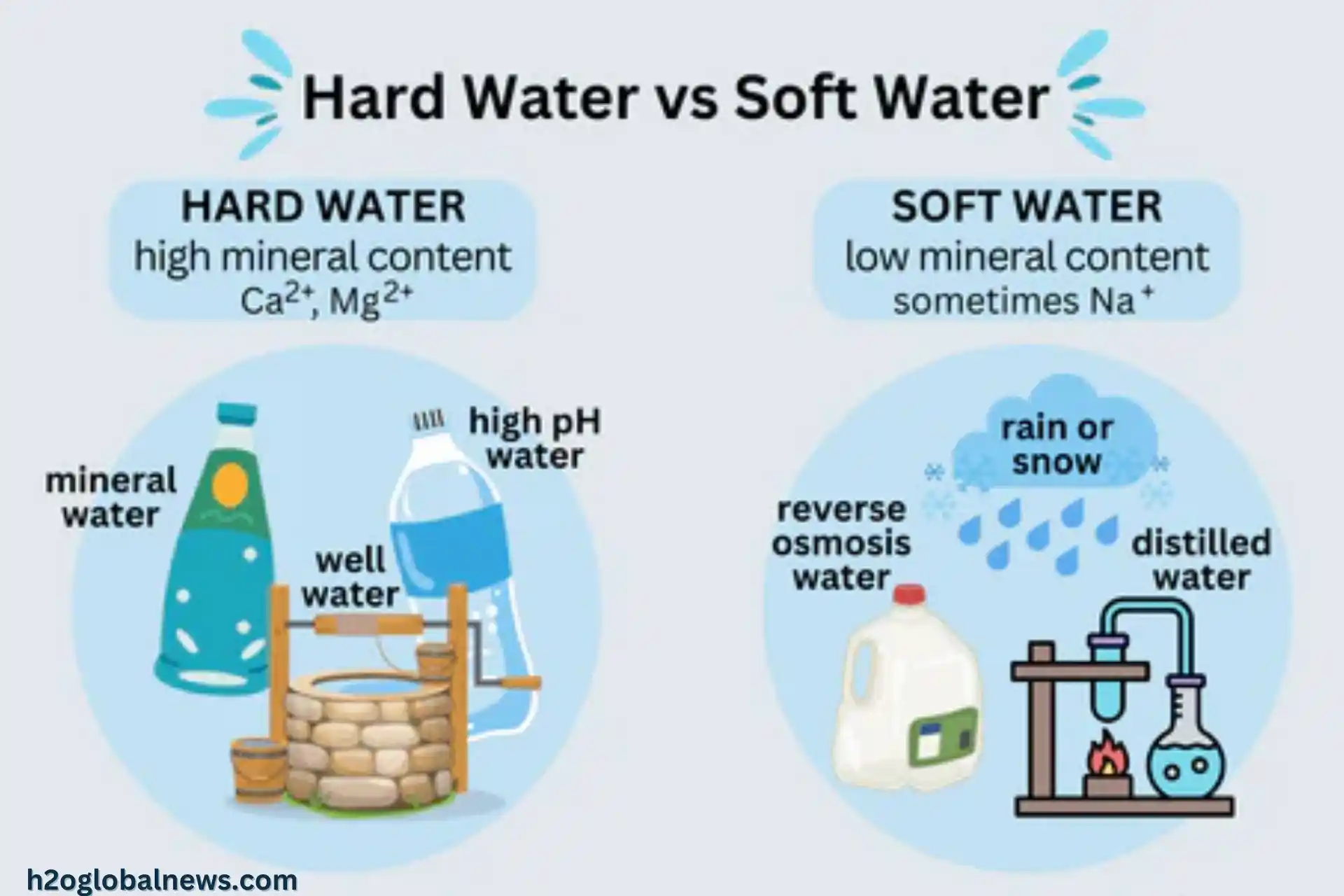
Water becomes hard as it moves through mineral-rich rock. Areas with limestone bedrock tend to have hard water, because the rock dissolves calcium and magnesium into the water supply. Soft water more often comes from surface sources such as lakes, rivers and reservoirs, where those minerals haven’t built up — or from water that has passed through a softener. Generally, the more dissolved calcium and magnesium the water holds, the harder it is.
How to check if your water is hard or soft
- Check your water report. Your local water utility publishes a water quality report listing calcium and magnesium levels.
- Look for the signs. Limescale in kettles, water heaters and around taps, and soap scum that is hard to rinse, all point to hard water.
- Test it yourself. Hardness test strips or a digital meter — sold in most hardware and home-improvement stores — give a quick reading.
Key takeaways
- Hard water is high in calcium and magnesium; soft water has little or none.
- Hardness is measured as calcium carbonate: soft is under 60 mg/L, very hard is over 180 mg/L (USGS).
- Hard water causes limescale and poor lather; soft water lathers easily and protects appliances.
- Both are safe to drink; very soft water can be slightly corrosive to old pipes.
- Check a water report, look for limescale, or use a test strip to find out which you have.
Conclusion
The difference between hard and soft water is really a difference in minerals, and it shows up in everyday ways — the lather of your soap, the scale in your kettle, the spots on your glasses. Hard water is safe and even mildly beneficial to drink; soft water makes household chores easier. Knowing which one flows from your tap lets you decide whether a softener or other water treatment is worth it for your home.
Frequently asked questions
Hard water contains high levels of dissolved calcium and magnesium; soft water has little or none of these minerals. Hard water causes limescale and reduces soap lather, while soft water lathers easily and prevents scale.
Both are safe to drink for most people. Hard water is fine and even adds small amounts of calcium and magnesium, while very soft water can be slightly more corrosive to old pipes. The choice is largely about preference and household effects.
Water hardness is measured as calcium carbonate, in milligrams per litre (mg/L) or grains per gallon (gpg). The USGS classes water as soft (0–60 mg/L), moderately hard (61–120), hard (121–180) or very hard (over 180).
Water becomes hard as it flows through mineral-rich rock such as limestone, dissolving calcium and magnesium. Soft water usually comes from surface sources like lakes and reservoirs, or from water that has been through a softener.
Hard water is not harmful to drink and may add useful minerals. Some studies link it to a higher risk of eczema in children, but for most adults the main downsides are practical — limescale and reduced soap lather — rather than health risks.
Check your local water quality report, look for signs like limescale in kettles and taps or soap scum that is hard to rinse, or test the water with hardness strips or a digital meter from a hardware store.
Sources
- U.S. Geological Survey, Water Science School, Hardness of Water (hardness classification in mg/L as calcium carbonate).