



Quick answer: Water pollution happens when harmful substances — chemicals, sewage, plastic, oil, farm runoff and industrial waste — get into rivers, lakes, oceans and groundwater. The most common examples are industrial discharge, agricultural runoff, plastic waste, oil spills, untreated sewage, mining pollution and thermal pollution. The best-known real-world cases run from the 2010 Deepwater Horizon oil spill to the Great Pacific Garbage Patch, a floating field of plastic roughly three times the size of France.
Every ecosystem, every harvest and every glass of drinking water depends on clean water, and the supply is under mounting pressure. The WHO and UNICEF estimate that around one in four people — some 2.1 billion — still went without safely managed drinking water in 2024. Only a sliver of the planet’s water is freshwater we can actually reach, which is precisely why protecting it matters.
Knowing what water pollution looks like, and where it comes from, is where any solution begins. This guide sets out the main types with clear examples, works through documented real-world cases, and lays out the effects — along with what governments, industry and the rest of us can do about them.
What is water pollution?
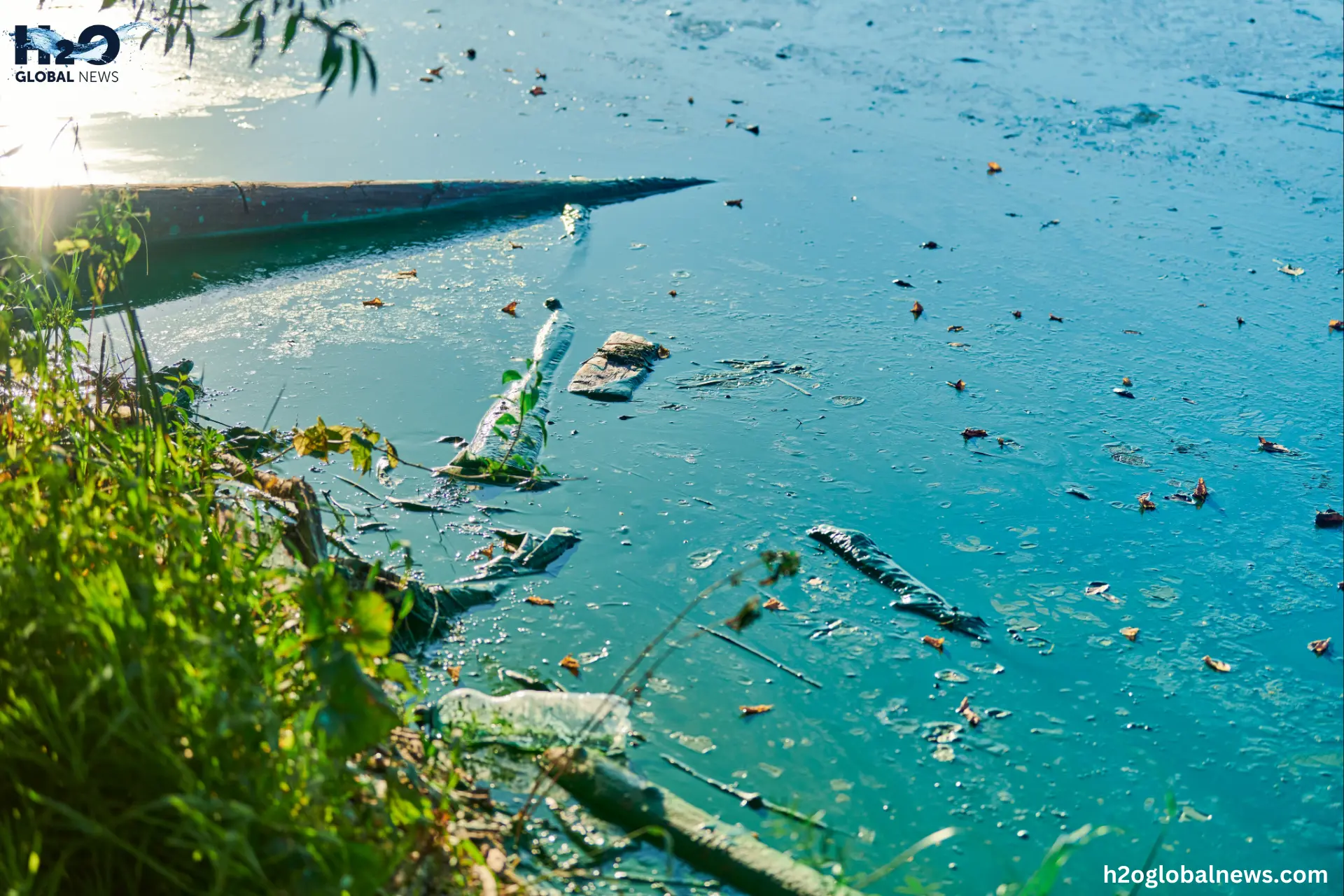
Water pollution occurs when harmful substances — chemicals, waste, plastics or microorganisms — contaminate rivers, lakes, oceans or groundwater. Those pollutants foul the water, making it unsafe to drink, dangerous for wildlife and costly for the communities and industries downstream.
Scientists sort pollution into two types, and the difference shapes how each is tackled.
- Point-source pollution flows from a single, identifiable outlet: a factory pipe, a sewage outfall, a leaking tank. Because you can trace it, you can usually regulate it.
- Non-point-source (diffuse) pollution arrives from everywhere at once — rain sweeping fertiliser, pesticides and road grime off an entire catchment. It is far harder to pin down, and in many countries it does the greater damage.
Common examples of water pollution
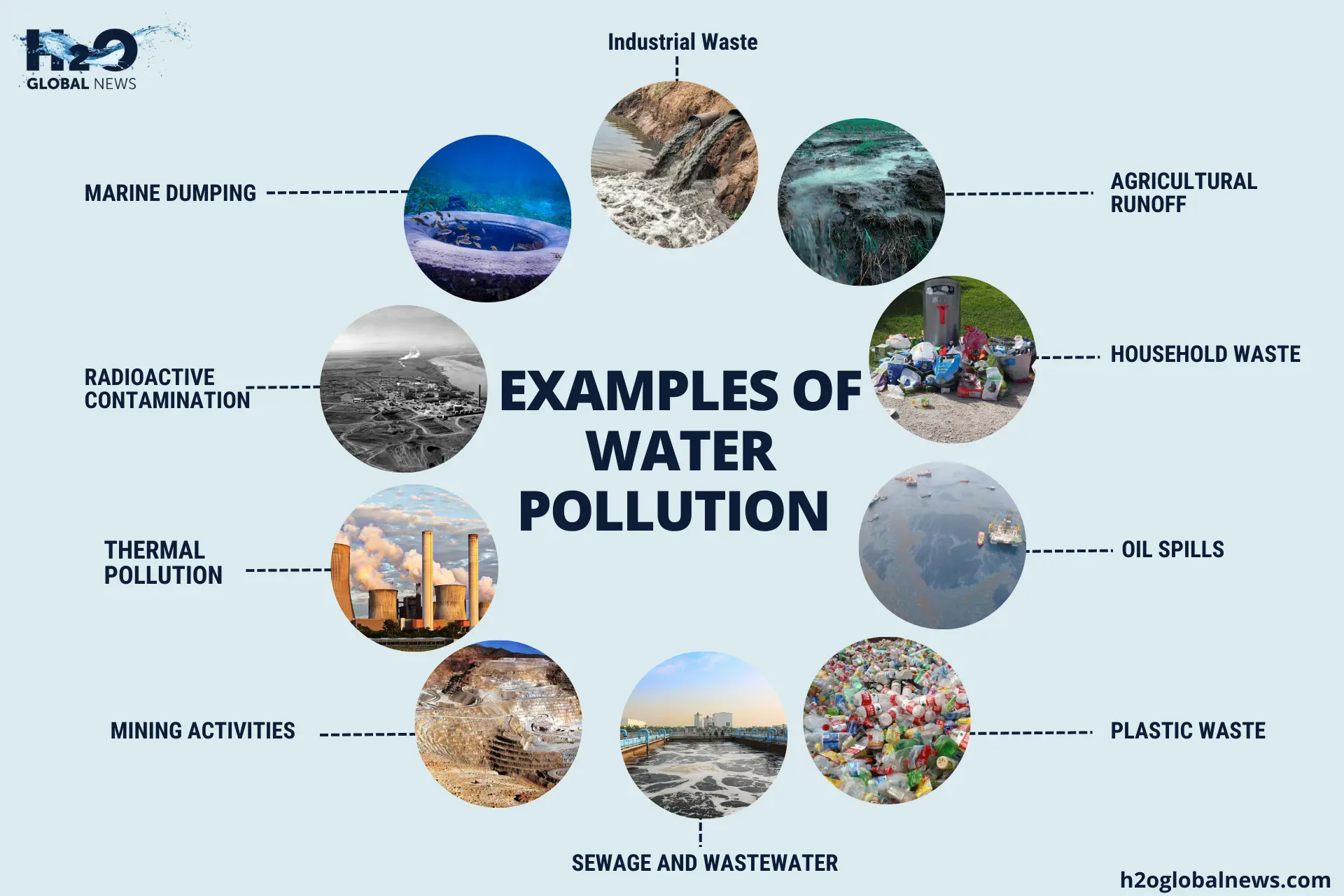
- Industrial waste — Factories discharge chemicals, heavy metals and toxic sludge into nearby water, often with little or no treatment. Metals such as lead, mercury and cadmium climb the food chain and linger for decades.
- Agricultural runoff — Rain carries fertiliser, pesticides and animal waste off farmland and into rivers and lakes. The nutrient overload feeds algal blooms and, in time, the oxygen-starved dead zones where little survives.
- Household waste — Detergents, cleaning products, cooking fat and flushed-away medicines slip into waterways through everyday drains. It is a quiet, cumulative source most people never stop to think about.
- Oil spills — Spilled oil spreads in a thin film across the surface, smothering marine life and coating shorelines. The 2010 Deepwater Horizon blowout in the Gulf of Mexico is the case everyone remembers (more on it below).
- Plastic waste — Millions of tonnes of plastic reach the sea every year. The big pieces entangle animals; the tiny ones — microplastics — are swallowed by fish and travel back up the food chain to our own plates.
- Sewage and wastewater — Untreated sewage carries bacteria, viruses and parasites straight into the water, a serious hazard wherever treatment is thin on the ground. Strong effluent also drives up the water’s biochemical oxygen demand (BOD), pulling oxygen out of rivers.
- Mining activities — Mining exposes heavy metals and generates acidic drainage that seeps into groundwater and streams, often fouling supplies miles downstream.
- Thermal pollution — Power plants and factories return warmed water to rivers and lakes. Even with no chemical in it, that heat lowers dissolved oxygen and throws aquatic life off balance.
- Radioactive contamination — Leaks from nuclear plants, mining or medical waste can release long-lived radioactive material into water. This is contamination measured in generations, not years.
- Marine dumping — Waste, industrial residue and abandoned fishing gear end up in the sea, by accident or by design, wrecking habitats and killing wildlife.
- Airborne pollutants — Sulphur and nitrogen oxides drift into the atmosphere and fall back as acid rain, souring lakes and rivers and the life within them.
- Nutrient pollution (eutrophication) — Too much nitrogen and phosphorus, mostly from farming and sewage, triggers thick algal growth that blocks sunlight and strips oxygen. It is one of the fastest-spreading water-quality problems there is.
Real-world examples of water pollution
The categories are easier to grasp with real cases behind them. Each of these is thoroughly documented.
- The Deepwater Horizon oil spill (2010). When the rig exploded off the coast of Louisiana, oil gushed for 87 days before the well was capped. Court findings put the amount that reached the Gulf at roughly 3.19 million barrels — about 134 million gallons — while government estimates of the total released from the well ran closer to 4.9 million. It is still the largest marine oil spill in US history.
- The Great Pacific Garbage Patch. Adrift between Hawaii and California, this slowly turning field of plastic covers an estimated 1.6 million square kilometres, roughly three times the area of France. Researchers at The Ocean Cleanup counted something like 1.8 trillion pieces weighing about 80,000 tonnes — and found that nearly half of that weight is discarded fishing nets.
- The Flint water crisis (2014). When Flint, Michigan switched water sources without proper corrosion control, lead bled from old pipes into the taps of an entire city. It was a blunt reminder that water pollution is a public-health emergency as much as an environmental one, and that a failure of governance can poison drinking water at the source.
- River pollution in South Asia. The Ganges and rivers like it absorb enormous volumes of untreated sewage, industrial effluent and solid waste — a case study in how municipal waste and stretched treatment capacity together degrade water that hundreds of millions of people rely on.
The effects of water pollution
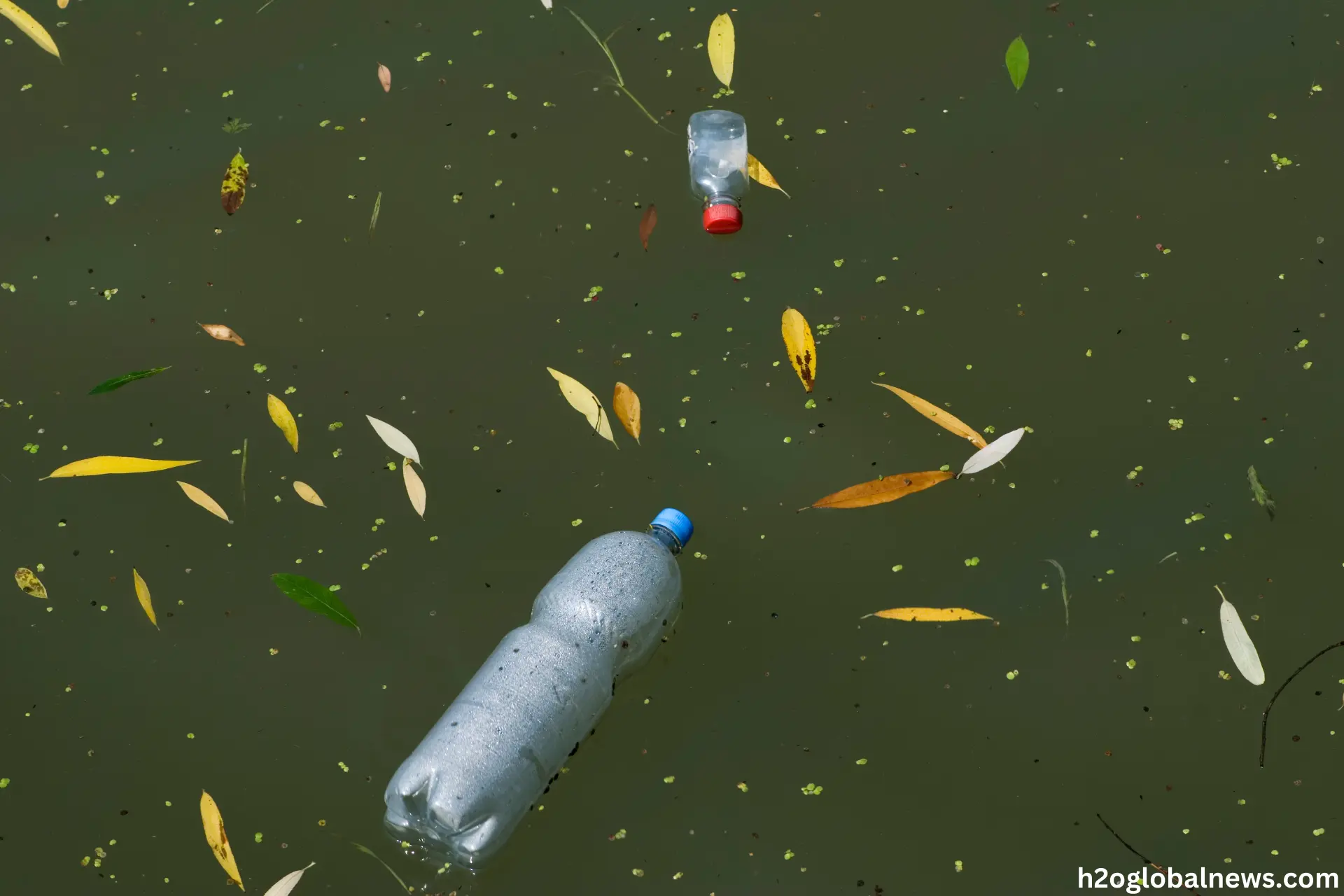
- Human health. Dirty water carries cholera, dysentery and typhoid, and years of exposure to heavy metals and chemicals is tied to chronic disease. We go deeper in the effects of water pollution on human health.
- Marine life. Oil, chemicals and plastic bleach coral, erase habitat and thin out populations, while nutrient pollution opens up dead zones where almost nothing can live.
- Economic cost. Fishing, tourism and farming all take the hit, and jobs and income go with them. The clean-up bill, meanwhile, pulls public money away from everything else.
- The climate link. A warming climate makes it worse. Heavier storms flush more pollutants into the water; deeper droughts concentrate what is already there. The two problems have to be solved together.
How to prevent and reduce water pollution
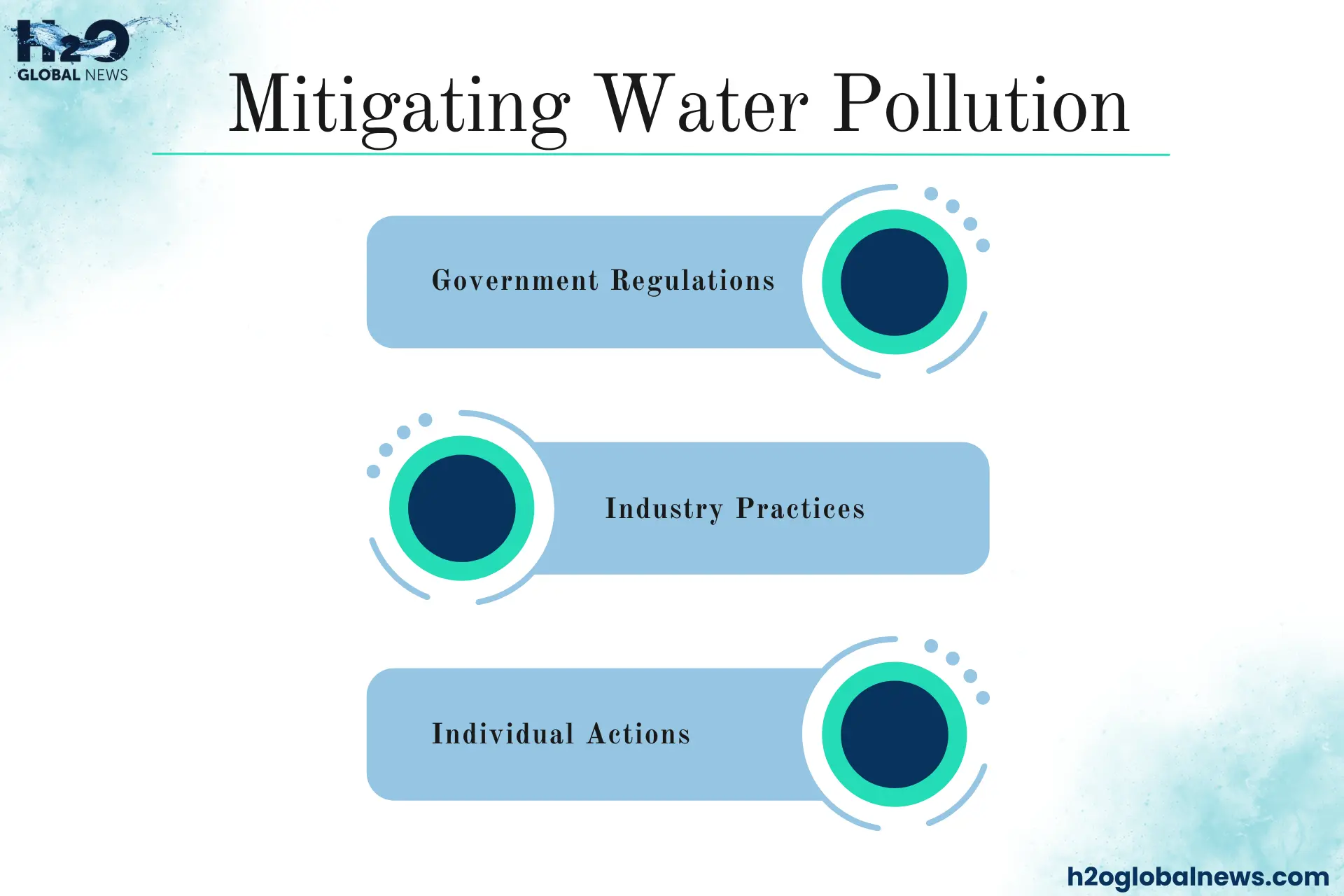
- Governments set and enforce discharge limits, fund treatment plants and protect catchments. The US Clean Water Act is proof that regulation can lift water quality over time.
- Industry can clean up production, treat effluent before it leaves the site, and design waste out of the process altogether.
- Individuals can dispose of chemicals and medicines properly, cut single-use plastic, go easy on the garden fertiliser, and turn up for the local river clean-up.
None of these fixes the problem alone. Together — sound policy, responsible industry and millions of small habits — they add up to something that works.
Conclusion
Water pollution wears many faces, from an oil slick you can see from orbit to the invisible nutrients quietly choking a lake. Naming the examples, knowing whether they come from one pipe or a whole landscape, and understanding what they do downstream is what moves the issue from worry to action. And the record is clear: it is fixable, wherever governments, industry and communities pull in the same direction.
Key takeaways
- Water pollution is any harmful substance — chemical, biological or physical — that contaminates rivers, lakes, oceans or groundwater.
- The most common examples fall into twelve types, from industrial waste and agricultural runoff to plastic, sewage, thermal and nutrient pollution.
- Pollution is either point-source (a single traceable outlet, easier to regulate) or non-point-source (diffuse runoff, harder to control and often the bigger problem).
- Documented cases — Deepwater Horizon, the Great Pacific Garbage Patch, Flint — show the scale and the human cost.
- It is a solvable problem: stronger regulation, cleaner industry and everyday individual action together make the difference.
Frequently asked questions
The most common examples are industrial waste, agricultural runoff, plastic waste, oil spills, untreated sewage, mining pollution, thermal pollution and nutrient pollution (eutrophication). Most trace back to human activity on land that reaches rivers, lakes, oceans and groundwater.
The 2010 Deepwater Horizon oil spill, which released roughly 3.19 million barrels of oil into the Gulf of Mexico, and the Great Pacific Garbage Patch, an ocean plastic accumulation about three times the size of France, are two of the most documented real-world examples.
The leading causes are industrial discharge, agricultural fertiliser and pesticide runoff, untreated sewage, plastic and solid waste, mining, and oil spills. Climate change worsens all of them by intensifying floods and droughts.
Point-source pollution comes from a single identifiable outlet, such as a factory pipe or sewage outfall, which makes it easier to regulate. Non-point-source (diffuse) pollution comes from many spread-out sources, like farm and urban runoff across a catchment, and is harder to control.
Polluted water can transmit diseases such as cholera, dysentery and typhoid, and long-term exposure to heavy metals and toxic chemicals is linked to organ damage and chronic illness. Clean, safely managed water is essential to preventing these harms.
Through a combination of strong government regulation and wastewater investment, cleaner industrial practices and effluent treatment, and individual actions such as reducing plastic use, disposing of chemicals correctly and cutting fertiliser runoff.
Clean water sustains human health, biodiversity, agriculture and industry. Polluted water harms aquatic life and people alike, while healthy water systems support ecosystems and economies.
Sources
- WHO & UNICEF Joint Monitoring Programme, Progress on household drinking water, sanitation and hygiene 2000–2024.
- NOAA Fisheries, Deepwater Horizon: 10 Years Later.
- The Ocean Cleanup, The Great Pacific Garbage Patch.
- Our World in Data, Plastic Pollution.