


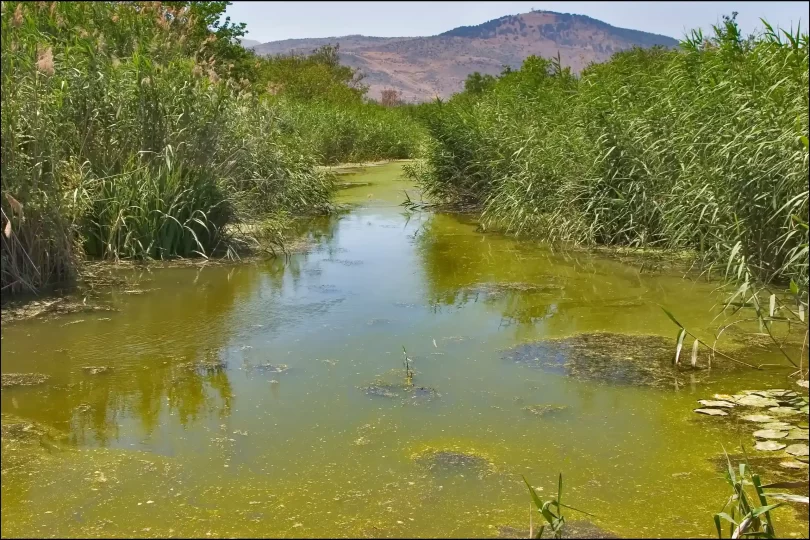
Quick answer: Stagnant water — also called still water — is any water that sits without moving or being refreshed, collecting in buckets, drains, gutters, puddles or unused pools. Because it does not flow, it warms up, loses oxygen and quickly gathers dirt, algae and harmful microbes. Standing water breeds mosquitoes within days and can harbour bacteria such as Legionella, making it both a nuisance and a genuine health risk.
Stagnant water is easy to ignore until it becomes a problem. You will find it in a forgotten bucket, a clogged drain, a blocked gutter or a puddle that lingers for days after rain. It smells, it draws mosquitoes, and it can carry bacteria that make people ill. The World Health Organization estimates that unsafe water, sanitation and hygiene are linked to around 1.4 million deaths a year, and standing, contaminated water is part of that picture.
This guide explains what stagnant water is, why it is dangerous, the bacteria and pests it attracts, and — most usefully — how to treat and prevent it around your home.
What is stagnant water?
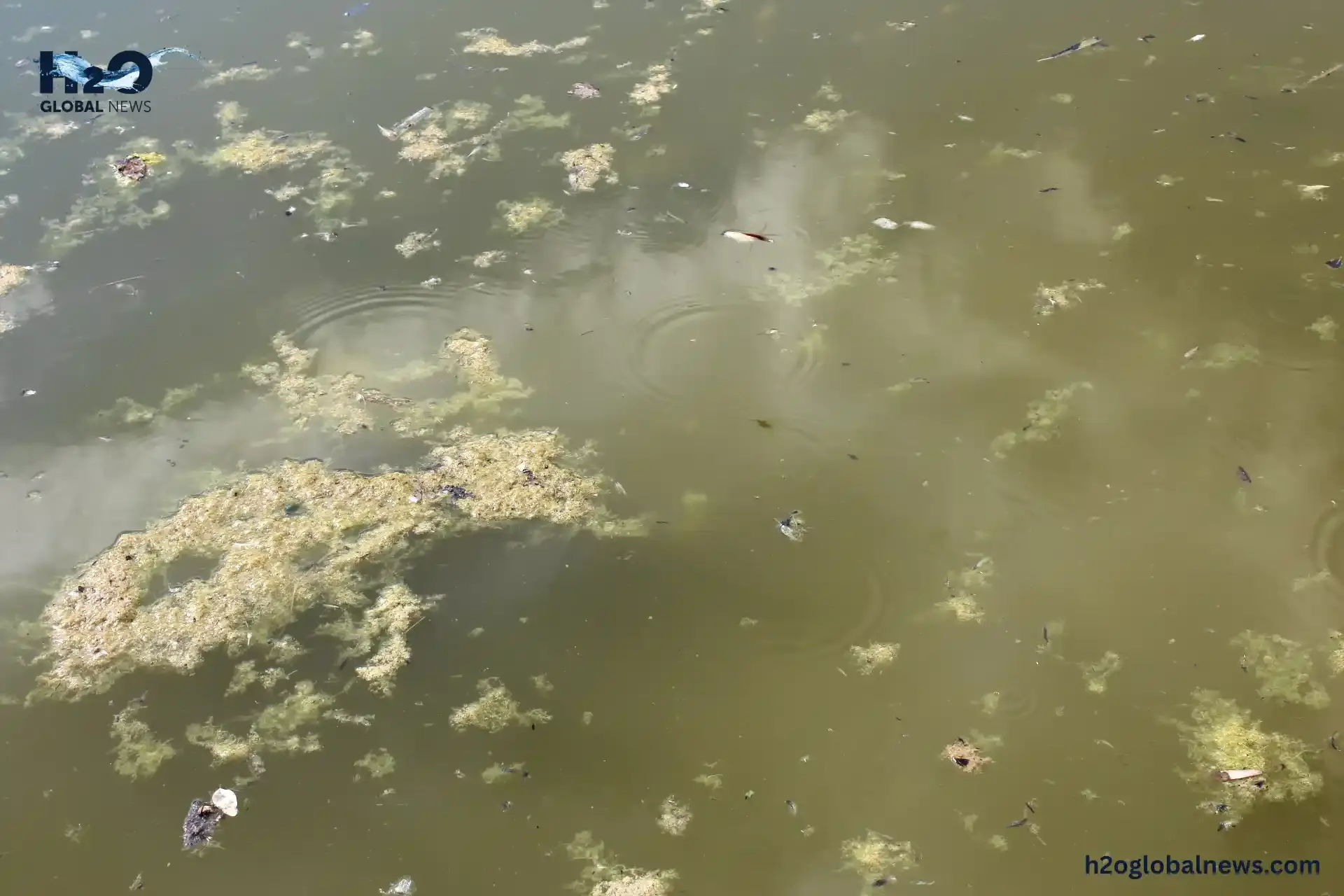
Stagnant water is any water that sits still, without moving or being refreshed, for a prolonged period. It collects wherever water has nowhere to drain: open buckets, flowerpot trays, clogged drains, roof gutters, unused swimming pools, water tanks and rain puddles. Because it neither flows nor gets cleaned, it turns dirty and unhealthy fast.
Warmed by the sun and starved of circulation, stagnant water loses its dissolved oxygen and begins to gather dirt, insects, algae and germs. That combination — still, warm, low-oxygen, untreated — is exactly what harmful organisms need to thrive.
Is “still water” the same as stagnant water?
You will often see stagnant water called still water, and in the context of standing water around the home the two mean the same thing: water that is not moving. It is worth clearing up one point of confusion, though. “Still water” is also used to describe non-sparkling drinking water — bottled water without carbonation — which is perfectly safe. The danger described on this page is standing, untreated still water left in the environment, not the still water you buy to drink. Whenever water sits unmoved and untreated, the risks below start to build.
Why is stagnant water dangerous?
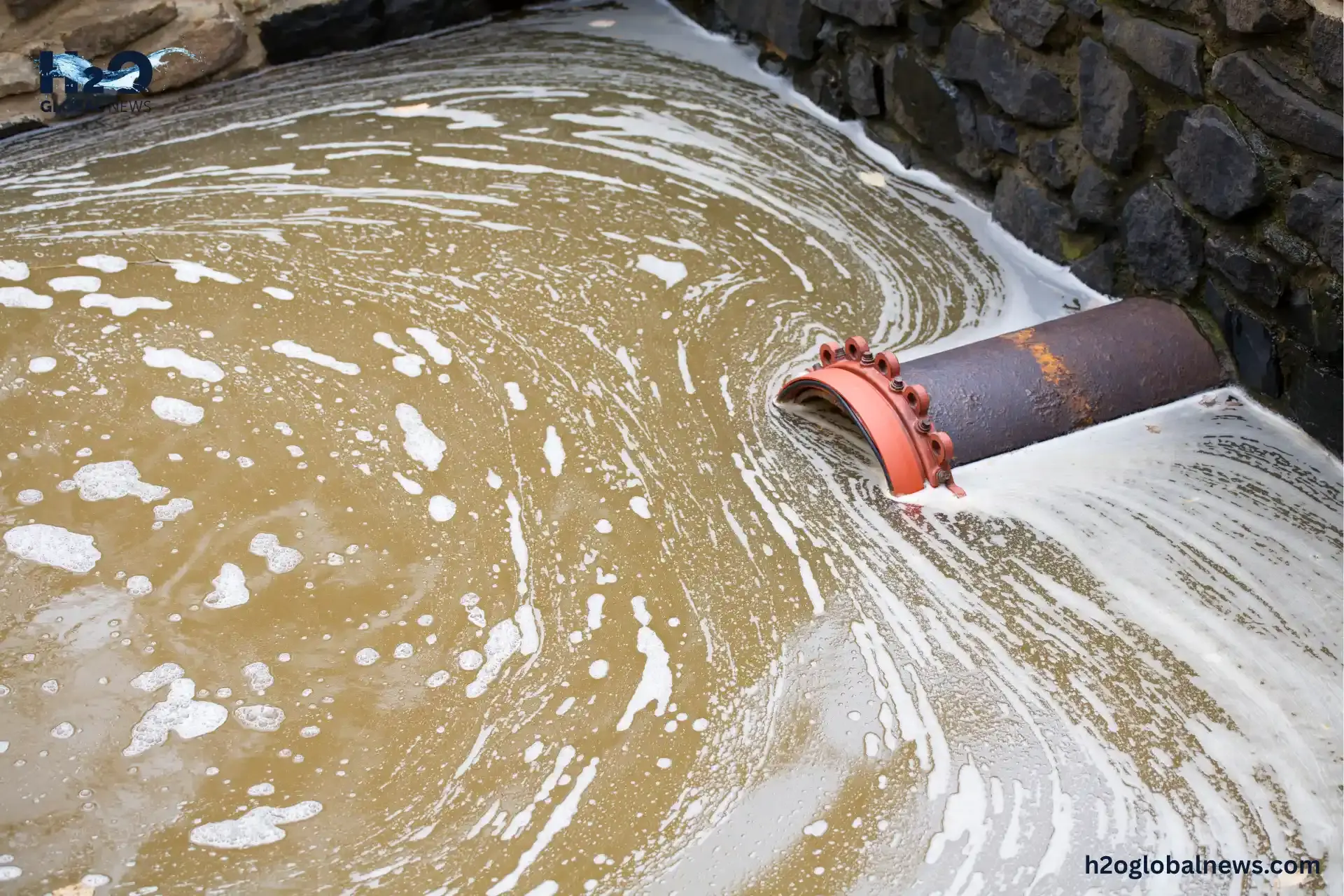
Left alone, standing water becomes a home for pests and pathogens, and is one of the more common examples of water pollution found around the home. These are the main risks.
- Mosquitoes. Mosquitoes lay their eggs in standing water, and it takes remarkably little time for them to breed — some species develop from egg to biting adult in as little as a week, and under warm conditions faster still. Those mosquitoes can spread diseases including dengue, malaria, Zika and West Nile virus. Even a bottle cap of water is enough for some species, which is why regularly emptying containers matters so much.
- Bacterial infections. Warm, stagnant water with little or no disinfectant is ideal for bacteria. One of the most serious is Legionella, which grows in stagnant, warm water (roughly 25–42°C) inside pipes, tanks and unused plumbing. Breathing in contaminated mist or spray can cause Legionnaires’ disease, a severe form of pneumonia; according to the CDC, about one in ten people who catch it die from complications. Other bacteria in dirty standing water can cause stomach upsets and skin, eye and ear infections.
- Foul smell. As organic matter breaks down in oxygen-starved water, it releases gases that produce that characteristic rotten, musty odour — an early warning sign that water has gone bad.
- Algae and mould. Sunlight and nutrients turn stagnant water green with algae, while damp surrounding surfaces grow mould. Both worsen air and water quality and can trigger allergies and breathing problems.
- Parasites. Standing water can carry parasites and their larvae, which cause illness if the water is touched or accidentally swallowed — a particular risk for children and pets.
How to treat stagnant water in the house
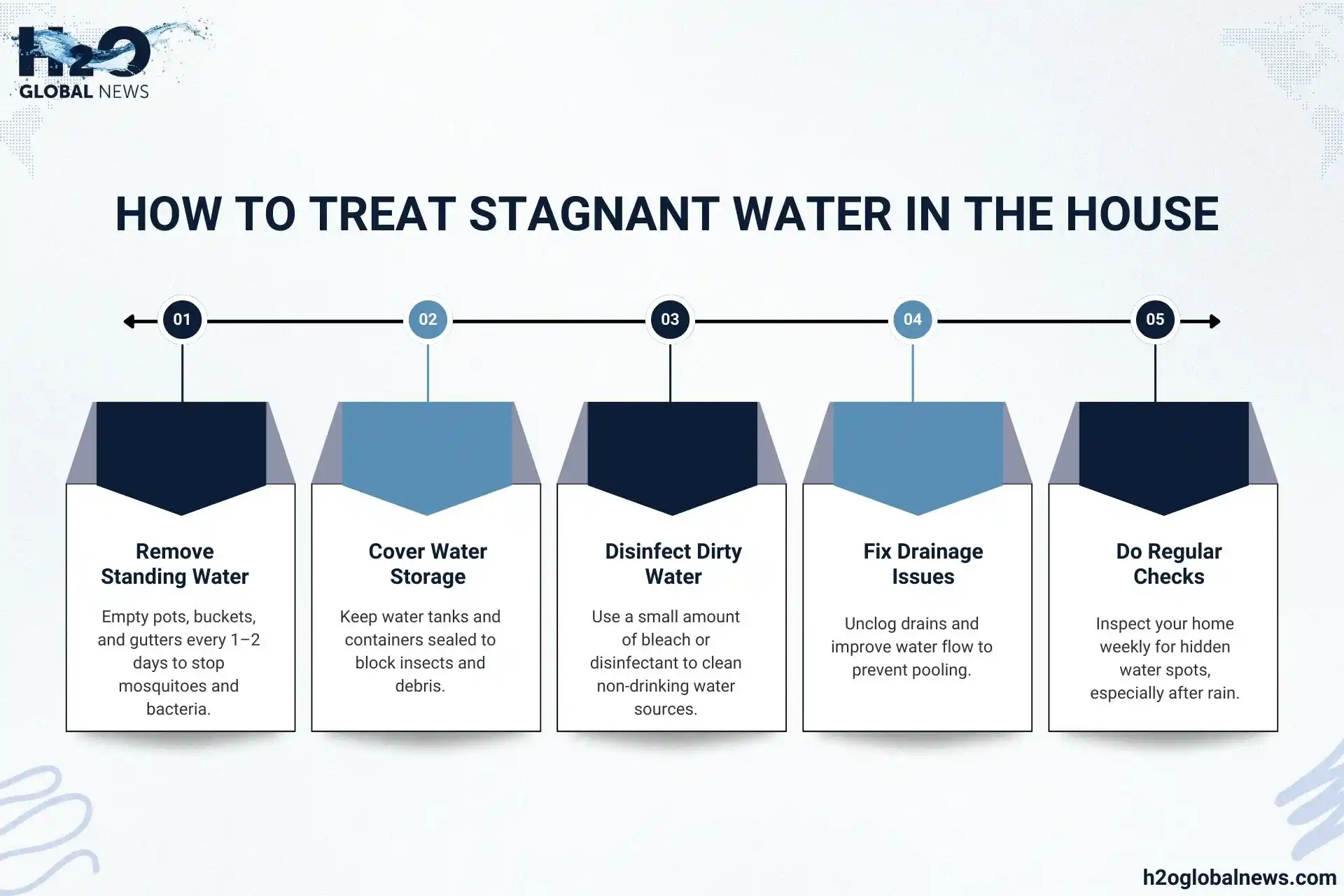
The priority is to remove or drain any standing water you find. Check plant pots and trays, buckets, roof gutters, drains and the yard after rain, and empty them every one to two days to break the mosquito breeding cycle before it completes. Keep water tanks and storage containers tightly covered so insects and dirt cannot get in. If water has already turned dirty, a small amount of bleach or disinfectant will clean it — but never use treated or previously stagnant water for drinking.
How to prevent stagnant water
Prevention is easier than cure, and mostly comes down to not letting water sit.
- Cover water storage. Keep tanks, buckets and drums tightly covered so rain, dust and insects stay out.
- Clear drains and gutters. Blocked gutters and drains are the most common cause of standing water; clear leaves and debris regularly, especially before and after wet weather.
- Improve drainage. Fix low spots in the yard where puddles form, and make sure water can run away from the house.
- Empty containers often. Tip out plant trays, pet bowls, toys and any container that collects rain every couple of days.
- Monitor problem areas. In larger properties or facilities, digital water-monitoring tools can flag early signs of water building up where it should not.
Stay on top of these and stagnant water rarely gets the chance to become a problem.
Conclusion
Stagnant water is one of those small household issues that quietly turns into a health risk. Still, warm and untreated, it breeds mosquitoes, grows bacteria such as Legionella, and fouls the air with odour and mould. The good news is that it is almost entirely preventable: drain it, cover it, and keep water moving, and you remove the conditions these hazards depend on.
Key takeaways
- Stagnant (or “still”) water is any water that sits unmoved and unrefreshed, indoors or out.
- It is dangerous because it breeds mosquitoes within days and grows bacteria — including Legionella, which causes Legionnaires’ disease.
- “Still water” also means non-sparkling bottled drinking water, which is safe; the risk is standing, untreated water in the environment.
- Treat it by draining and emptying containers every one to two days and covering stored water.
- Prevention is straightforward: clear drains and gutters, fix drainage, and never let water stand.
Frequently asked questions
Stagnant water is any water that sits still, without moving or being refreshed, for a long time — in buckets, drains, gutters, puddles or unused pools. Because it does not flow, it warms up, loses oxygen and collects dirt, algae and harmful microbes.
Standing still water is dangerous because it breeds mosquitoes that can spread disease, and warm, untreated water grows bacteria such as Legionella, which causes Legionnaires’ disease. It can also harbour parasites and cause foul odours, algae and mould.
In the context of standing water around the home, yes — still water and stagnant water both mean water that is not moving. Note that still water is also used for non-sparkling bottled drinking water, which is safe; the health risk applies to standing, untreated water.
Water can begin to stagnate within a couple of days. Mosquitoes can develop from egg to adult in as little as a week, which is why emptying standing water every one to two days is recommended.
Yes. Stagnant water can transmit bacterial infections such as Legionnaires’ disease, stomach illnesses, and skin, eye and ear infections, as well as mosquito-borne diseases like dengue and malaria.
Drain or empty it, clear blocked drains and gutters, and tip out containers, plant trays and gutters every one to two days. Cover stored water tightly, and use bleach or disinfectant to clean water that has already turned — never drink it.
Sources
- World Health Organization, Unsafe water, sanitation and hygiene: a persistent health burden (2023).
- Centers for Disease Control and Prevention, About Legionnaires’ Disease.
- US EPA, Mosquito Life Cycle.