


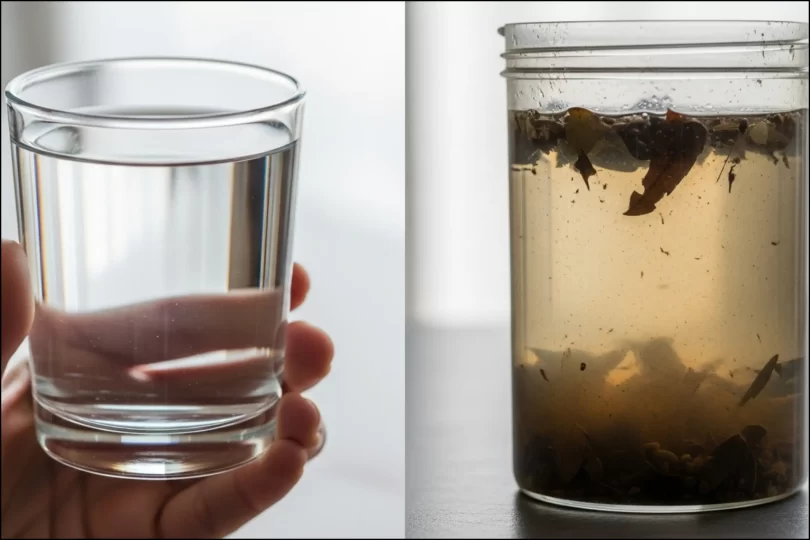
Quick answer: Potable water is water that is safe to drink — treated and tested to meet health standards, and free from harmful contaminants. Non-potable water is not safe to drink; it may carry contaminants and is used instead for jobs like irrigation, industry, toilet flushing and construction. The key difference is simple: potable water is fit for human consumption, non-potable water is not.
Water is essential for life, but not all water is fit to drink. Understanding the difference between potable and non-potable water matters for health, safety and using this precious resource wisely. This article explains what each type is, where it comes from, how it’s used and treated, and why matching the right water to the right job is so important.
Potable vs non-potable water: the key difference
At its simplest, potable water is safe to drink and non-potable water is not. The table below compares them at a glance.
| Feature | Potable water | Non-potable water |
|---|---|---|
| Safe to drink? | Yes | No (not without treatment) |
| Meets health standards | Yes (EPA, WHO, CDC) | No |
| Typical sources | Treated municipal supply, protected wells, bottled water | Rainwater, greywater, untreated surface water, reclaimed wastewater |
| Common uses | Drinking, cooking, bathing | Irrigation, industry, toilet flushing, construction |
What is potable water?

Potable water, also called drinking water, is water that is safe for human consumption. It meets strict health and safety standards set by authorities such as the U.S. Environmental Protection Agency (EPA), the World Health Organization (WHO) and the CDC, and is free from harmful contaminants and pathogens.
Sources
- Municipal water systems: most households receive potable water from utilities that treat and disinfect water drawn from rivers, lakes or aquifers.
- Private wells: in rural areas, properly maintained and regularly tested wells can supply potable water.
- Bottled water: treated and packaged to meet drinking-water standards.
Uses
Drinking, cooking, bathing, brushing teeth and washing food — any use where water may be swallowed or contact sensitive areas.
How it’s treated
Making water potable typically involves coagulation (clumping fine particles together), sedimentation (letting them settle), filtration (removing remaining solids) and disinfection (using chlorine, UV or ozone to kill pathogens). Water is then tested against health standards before distribution. Water sources like brackish water can also be treated into drinking water through desalination.
What is non-potable water?

Non-potable water is water that is not safe to drink without treatment. It may contain contaminants, chemicals or pathogens, but it is perfectly useful for many tasks that don’t require drinking-quality water — and using it for those jobs helps conserve potable supplies.
Sources
Untreated rainwater, greywater from sinks and showers, untreated rivers, lakes and surface water, and reclaimed or industrial wastewater.
Uses
- Irrigation and agriculture
- Industrial processes such as cooling and manufacturing
- Toilet flushing, which reduces demand on potable supplies
- Construction activities like dust control and concrete mixing
Treatment for reuse
When non-potable water is treated for specific uses, it typically goes through sedimentation (letting particles settle), filtration (removing remaining solids) and disinfection (reducing pathogens to safe levels for the intended purpose).
Why using the right water matters
Matching the water to the task is vital for both health and sustainability. Drinking non-potable water risks serious illness, while using treated potable water for irrigation or flushing wastes a resource that is expensive and energy-intensive to produce. Using non-potable water where drinking quality isn’t needed — and reserving potable water for drinking and hygiene — protects public health and eases pressure on water supplies.
Key takeaways
- Potable water is safe to drink; non-potable water is not.
- Potable water meets health standards (EPA, WHO, CDC) and is free from harmful contaminants.
- Non-potable water — rainwater, greywater, untreated surface water, reclaimed wastewater — is used for irrigation, industry, flushing and construction.
- Water is made potable through coagulation, sedimentation, filtration and disinfection.
- Using non-potable water for non-drinking tasks conserves precious potable supplies.
Conclusion
Potable and non-potable water each have their place. Potable water — clean, treated and safe — is what we drink, cook and wash with; non-potable water does the heavy lifting of irrigation, industry and flushing. Knowing the difference, and using each where it belongs, protects your health and helps conserve one of our most valuable resources.
Frequently asked questions
Potable water is water that is safe for human consumption. It meets strict health and safety standards (such as those set by the EPA and WHO) and is free from harmful contaminants and pathogens, so it can be used for drinking, cooking and washing.
“Potable” simply means safe to drink. Potable water has been treated and tested to remove harmful microbes and chemicals, meeting official drinking-water standards.
Non-potable water is water that is not safe to drink without treatment. It may contain contaminants or pathogens, and is used for purposes like irrigation, industrial processes, toilet flushing and construction.
Examples include untreated rainwater, greywater from sinks and showers, untreated river, lake and surface water, and reclaimed or industrial wastewater.
No. Drinking non-potable water can cause illness from bacteria, viruses, parasites or chemical contaminants. It must be properly treated and tested before it is safe to drink.
Raw water is made potable through treatment steps that typically include coagulation, sedimentation, filtration and disinfection, which remove particles and kill pathogens so the water meets drinking-water standards.
Sources
- U.S. Environmental Protection Agency, National Primary Drinking Water Regulations.
- World Health Organization, Drinking-water fact sheet.