

The condition of the Lullington Heath SSSI (Site of Special Scientific Interest), a rare chalk heath near Eastbourne in East Sussex, has been upgraded after Exmoor ponies were brought in to graze the site. The land is owned by South East Water, which supplies drinking water to 2.4 million customers across parts of Kent, Sussex, Surrey, Hampshire and Berkshire. The heath sits above one of the company’s groundwater sources.
The site has moved from “unfavourable declining” to “unfavourable recovering” following scrub clearance and grazing. According to South East Water’s announcement, the improvement means 97 per cent of the SSSI land the company owns is now in favourable or unfavourable recovering condition.
One of Britain’s largest remaining chalk heaths
Lullington Heath was established as an SSSI in 1955 to protect one of the largest areas of chalk heath remaining in Britain. The habitat features areas of chalk heathland and chalk grassland, both of which need careful management.
The 62 hectare site is managed by Natural England and forms part of the Seven Sisters National Nature Reserve. The reserve was declared by King Charles III in March and is the first in the King’s Series of super National Nature Reserves to be declared for the protection of groundwater.
Why the Lullington Heath SSSI was downgraded
In October 2019 the condition of the heath was downgraded to unfavourable declining. The cause was an increase in scrub, such as gorse and coarse tor grass, which made it more difficult for the rare plants and habitats of the chalk heath to grow and thrive.
Natural England places SSSIs in one of six condition categories: favourable, unfavourable recovering, unfavourable no change, unfavourable declining, part destroyed and destroyed. A declining status means a site’s special features are deteriorating and calls for urgent corrective action. A recovering status means the site remains in an unfavourable state, but conservation measures are in place and its condition is moving in the right direction.
Scrub clearance and Exmoor pony grazing
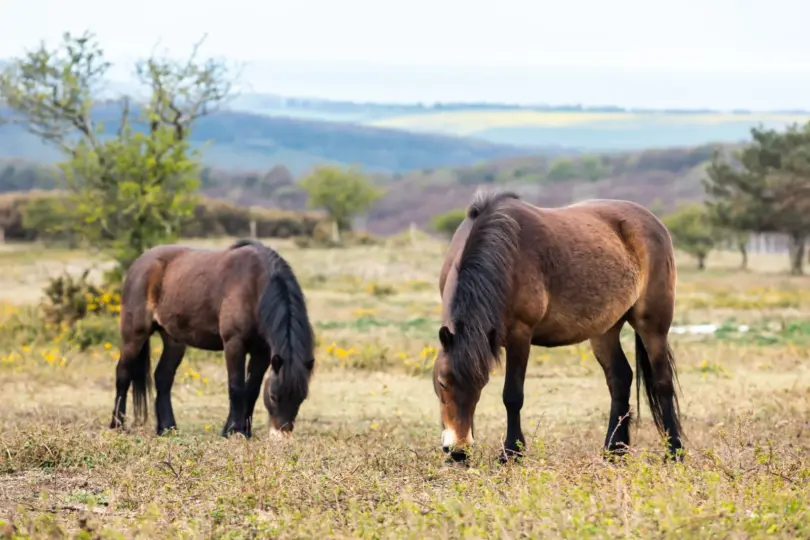
To prevent further decline, contractors cleared the area of scrub, and Exmoor ponies supplied by a local farmer now graze the landscape. Richard Dyer, Biodiversity Manager at South East Water, said: “To support the site and help restore the rare chalk landscape, contractors were hired to clear the site of the scrub which allows the rare species found on chalk heath and grassland to flourish.”
He added: “Grazing is key to the ongoing maintenance of the site and we have been working with a local farmer to graze Exmoor ponies on the heath. A rare species themselves, they are great at eating the course scrub many other grazing animals would avoid.”
Ashley Dalleywater, Senior Reserves Manager at Natural England, said: “I am very pleased to say that we have been able to renew the status of Lullington Heath to unfavourable recovering from unfavourable declining. It’s great to see the hard work is starting to pay off and South East Water’s support has been key to this.”
Land management above groundwater sources
The water company links its management of the heath to its supply responsibilities. It draws water from more than 250 boreholes, six rivers and six reservoirs, and treats it at 88 treatment works.
Dyer said: “The Lullington Heath SSSI is not only an incredibly rare and important habitat, it is also important for the region’s water supplies as it sits above one of our groundwater sources. The way land is managed above these sources is important because it affects the quality and quantity of water within it.”
Frequently asked questions
What is Lullington Heath?
Lullington Heath is a 62 hectare chalk heath near Eastbourne in East Sussex. It was established as a Site of Special Scientific Interest in 1955 to protect one of the largest areas of chalk heath remaining in Britain.
Who owns and manages Lullington Heath?
The site is owned by South East Water and managed by Natural England. It forms part of the Seven Sisters National Nature Reserve.
Why was the Lullington Heath SSSI downgraded in 2019?
In October 2019 its condition was downgraded to unfavourable declining because of increased scrub, such as gorse and coarse tor grass. The scrub made it harder for the rare plants and habitats of the chalk heath to grow and thrive.
How are Exmoor ponies helping Lullington Heath?
After contractors cleared the scrub, Exmoor ponies from a local farmer were brought in to graze the heath. South East Water said the ponies eat coarse scrub that many other grazing animals avoid.
Why does South East Water manage land at Lullington Heath?
The heath sits above one of the company’s groundwater sources. South East Water said the way land is managed above these sources affects the quality and quantity of water within them.