


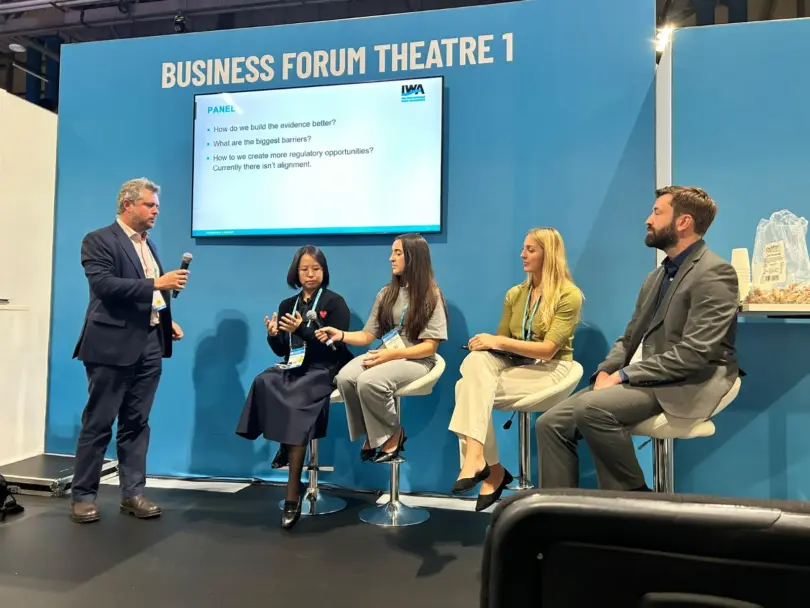
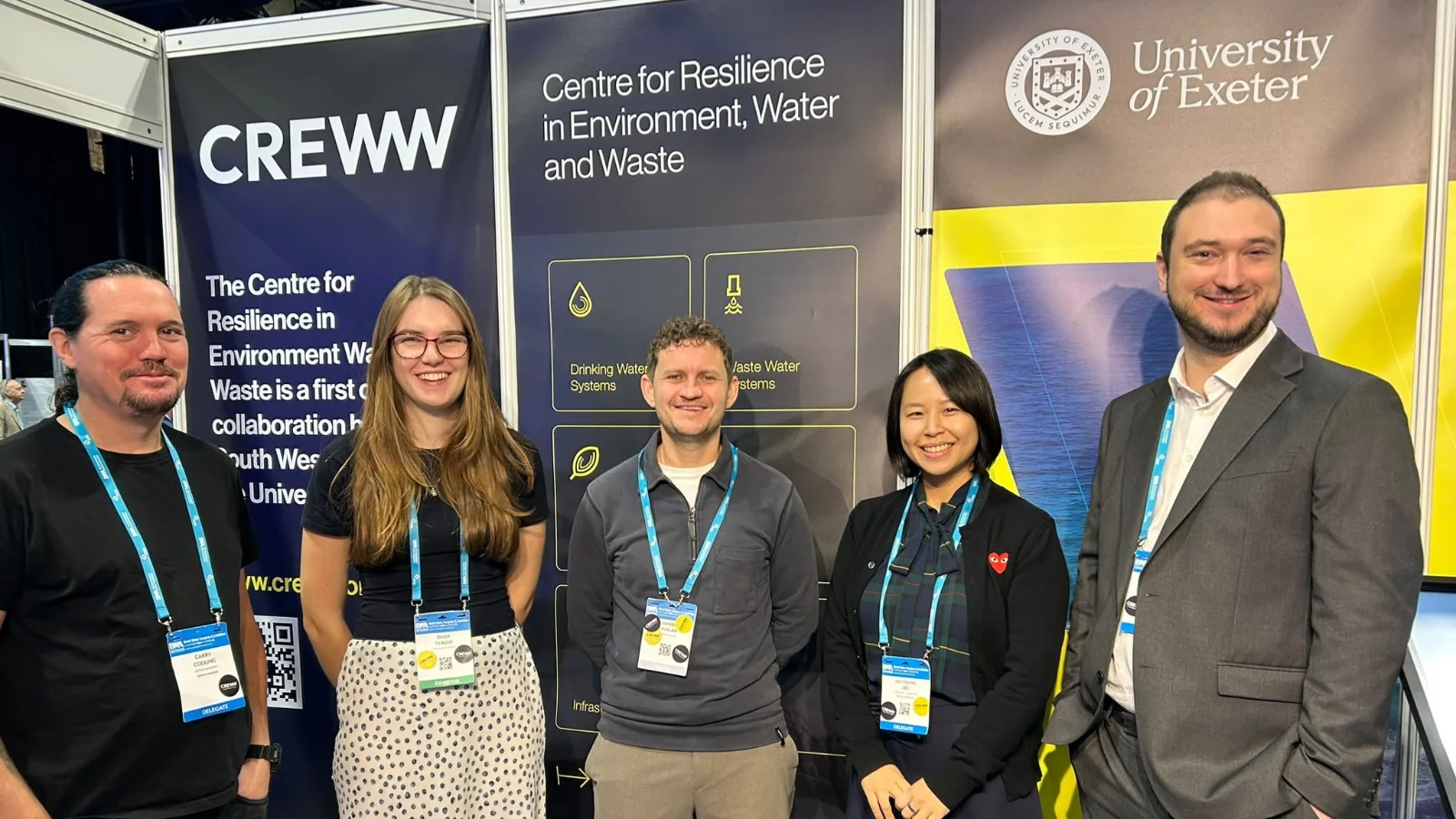
The Centre for Resilience in Environment, Water and Waste (CREWW), a research partnership between South West Water and the University of Exeter, presented its work to international delegates at the IWA World Water Congress in Glasgow in October. The congress is organised by the International Water Association.
Visitors to the CREWW stand were shown research projects addressing challenges facing the water industry, including environmental resilience, leakage, water quality, catchment management and pollution reduction. H2O Global News previously reported on CREWW’s plans to showcase its water resilience research at the congress.
Research projects on display at the IWA World Water Congress
Projects on show included South West Water’s Upstream Thinking catchment management programme, groundwater infiltration risk modelling and a machine learning tool to identify historic lead pipes. CREWW also presented its microplastics laboratory and wider research into improving water quality and strengthening the resilience of water and wastewater systems.
H2O Global News has reported on 15 years of the Upstream Thinking programme and on the second phase of South West Water’s groundwater infiltration risk mapping project.
The congress was also used to showcase the PEDAL (Prediction and Early Detection of Algal Blooms) project, a £2 million initiative funded through the Ofwat Innovation Fund. The project aims to help predict and tackle harmful algal blooms in lakes and reservoirs, and members of both the South West Water and University of Exeter project teams attended to share insights from the research. Further background is available in the site’s earlier report on the launch of the PEDAL project.
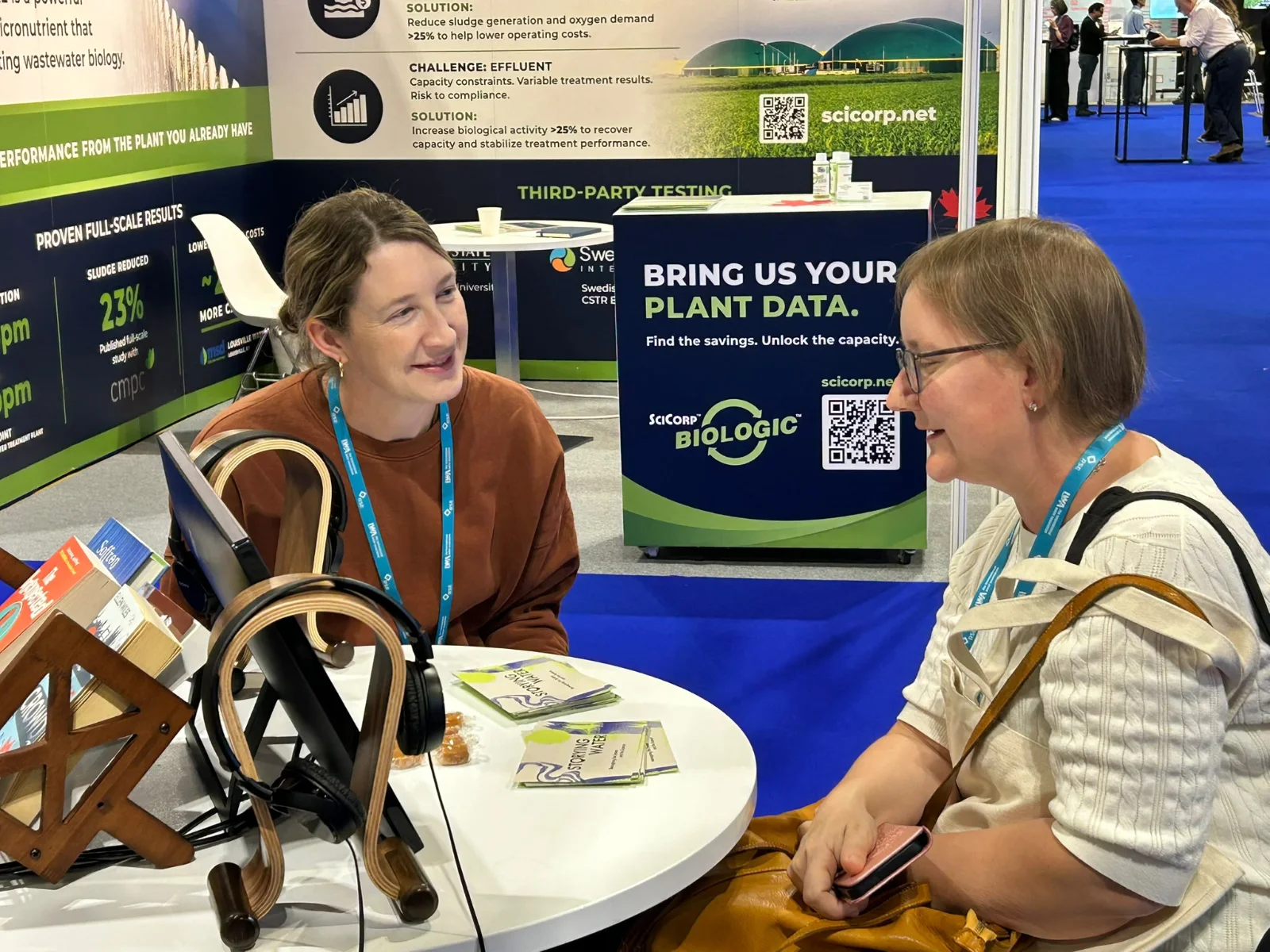
CREWW researchers also presented work on the impacts of combined sewer overflows and surface water outfalls on receiving waters. Visitors to the stand could listen to Storying Water, CREWW’s audio storytelling project.
Business forum on nature-based solutions
As part of the congress, CREWW hosted a Business Forum titled Partnering with Nature – How Nature Based Solutions Make Business Sense. The session brought together delegates from across the water sector to examine the role of nature-based solutions, catchment management and partnership working in protecting water quality and improving environmental resilience.
Speakers shared lessons from more than a decade of collaborative work with farmers, land managers and local partners. The discussion covered how catchment-based approaches could help address environmental challenges shared by water companies internationally.
Carolyn Cadman, Chief Environment and Compliance Officer at South West Water and a CREWW Board Member, said: “It was wonderful to see such a high level of interest in CREWW’s work throughout the congress. It was a brilliant opportunity to share the research taking place through the partnership and demonstrate how it can help address practical challenges facing the water sector.”
She added: “CREWW’s Business Forum was also a great success and brought together a range of perspectives and expertise on the work we are doing through Upstream Thinking and catchment management, highlighting the value of collaboration in developing solutions that benefit customers, communities and the environment.”
Partnership marks fifth anniversary
The appearance coincided with CREWW’s fifth anniversary. According to the partnership, the event gave it an opportunity to share its progress, connect with international water experts and build relationships to support future research and innovation.
Professor Ed Keedwell, Professor of Artificial Intelligence at the University of Exeter and Co-Director of CREWW, said: “The IWA World Water Congress was a valuable opportunity to showcase how CREWW brings together research, innovation and industry expertise to tackle some of the most pressing challenges facing the water sector.”
“From using AI and data science to improve understanding and prediction, to exploring the potential of nature-based approaches to support water quality, our work demonstrates the importance of collaboration in developing practical, evidence-led solutions. As CREWW celebrates its fifth anniversary, it was particularly rewarding to share our progress with an international audience and explore how our research can help build more resilient water systems for the future.”
Frequently asked questions
What is CREWW?
The Centre for Resilience in Environment, Water and Waste (CREWW) is a research partnership between South West Water and the University of Exeter. It marked its fifth anniversary in 2026.
What did CREWW present at the IWA World Water Congress in Glasgow?
CREWW presented the Upstream Thinking programme, groundwater infiltration risk modelling, a machine learning tool to identify historic lead pipes, its microplastics laboratory and research on water quality and system resilience. Researchers also presented work on the impacts of combined sewer overflows and surface water outfalls on receiving waters.
What is the PEDAL project?
PEDAL (Prediction and Early Detection of Algal Blooms) is a £2 million Ofwat Innovation Fund initiative using innovative techniques to help predict and tackle harmful algal blooms in lakes and reservoirs.
What was the CREWW Business Forum about?
The forum, titled Partnering with Nature – How Nature Based Solutions Make Business Sense, examined the role of nature-based solutions, catchment management and partnership working in protecting water quality and improving environmental resilience.
What is Storying Water?
Storying Water is an audio storytelling project from CREWW, which visitors could listen to at the partnership’s stand at the congress.


