
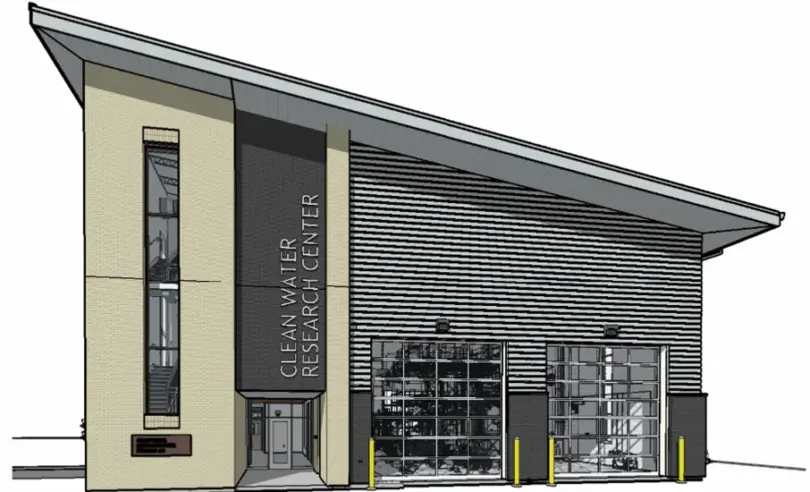
The Milwaukee Metropolitan Sewerage District (MMSD) is seeking construction bids for a new Clean Water Research Center at its South Shore Water Reclamation Facility in Milwaukee, Wisconsin. Bids for the contract, reference S01013C01, are due on 19 November.
The facility is intended to give developers of water technology a place to test new concepts inside a working wastewater treatment plant. Construction is expected to begin in 2027, according to MMSD.
What the Clean Water Research Center will offer
MMSD said the center will enable water technology businesses, universities, scientists and inventors to test new concepts from pilot to demonstration scale in an operating plant. Testing at this scale allows technologies to be assessed under real treatment conditions rather than only in a laboratory.
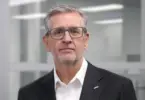
“This facility marks the latest progression in Milwaukee’s long history of wastewater and water technology innovation,” said MMSD Executive Director Kevin Shafer.
The update was circulated by the Milwaukee-based The Water Council. H2O Global News has previously reported on other water sector initiatives in the city, including the launch of a Water & Wastewater Workforce Center by The Water Council and Veolia North America.
First pilot to test primary filtration technologies
The first project at the Clean Water Research Center will be a two-year pilot testing two emerging primary filtration technologies that are not yet operating at large scale in the US. MMSD did not name the technologies in its announcement.
According to MMSD, industry experts believe the technologies could deliver:
- Millions in savings over 20 years
- Increased waste-to-energy production
- Reduced chemical use
- Fewer sewer overflows and basement backups
Ageing clarifiers at South Shore
The pilot is tied to a longer-term question about treatment at South Shore. MMSD said the technologies could replace primary clarification at the facility, where the clarifiers entered service in 1968 and the supporting equipment is nearing the end of its useful life.
Primary clarification is an early stage of wastewater treatment in which solids settle out of the incoming flow before further treatment. Replacing it with filtration would change how those solids are removed at the plant.
Federal funding for the pilot
The pilot is supported by a $3.9 million grant from the US Department of Energy and a $1.2 million grant from the US Environmental Protection Agency (EPA), a combined $5.1 million.
MMSD said the funding was secured with help from Senator Tammy Baldwin and Representative Gwen Moore.
Frequently asked questions
What is MMSD’s Clean Water Research Center?
It is a planned facility at MMSD’s South Shore Water Reclamation Facility in Milwaukee where water technology businesses, universities, scientists and inventors can test new concepts from pilot to demonstration scale in a working wastewater treatment plant.
When are construction bids for the Clean Water Research Center due?
Bids for contract S01013C01 are due on 19 November. Construction is expected to begin in 2027.
What will the first pilot at the center test?
The first two-year pilot will test two emerging primary filtration technologies that are not yet operating at large scale in the US. Industry experts believe they could deliver savings, increased waste-to-energy production, reduced chemical use and fewer sewer overflows and basement backups.
How is the pilot funded?
The pilot has a $3.9 million US Department of Energy grant and a $1.2 million EPA grant, secured with help from Senator Tammy Baldwin and Representative Gwen Moore.
Why is MMSD looking at new technology for the South Shore facility?
The technologies could replace primary clarification at South Shore, where the clarifiers entered service in 1968 and the supporting equipment is nearing the end of its useful life.