



TradeMark Africa is expanding cross-border trade in Africa’s fisheries sector. It aims to create more than 242,000 jobs for women and young people and to increase the region’s trade in fish and fish products by at least US$100 million by 2028. To support that growth, the organisation commissioned RSK Africa, part of RSK Group, to carry out a fisheries safeguarding assessment across Kenya, Tanzania and Uganda.
The work sits within the Women and Youth Economic Empowerment in Fisheries Programme, a five-year joint initiative between TradeMark Africa, the Mastercard Foundation and the African Continental Free Trade Area (AfCFTA) Secretariat. RSK Group, an environmental and engineering consultancy, says it comprises more than 300 companies and employs over 17,000 people.

Scope of the fisheries safeguarding assessment
According to Naphca Kuboja, Senior Social Consultant at RSK Group, the assessment was measured against international environmental and social standards. It examined the laws and policies protecting fisheries workers, the cultural drivers of exclusion and exploitation, the systems available for reporting and redress, and the environmental and social risks of an expanding industry.
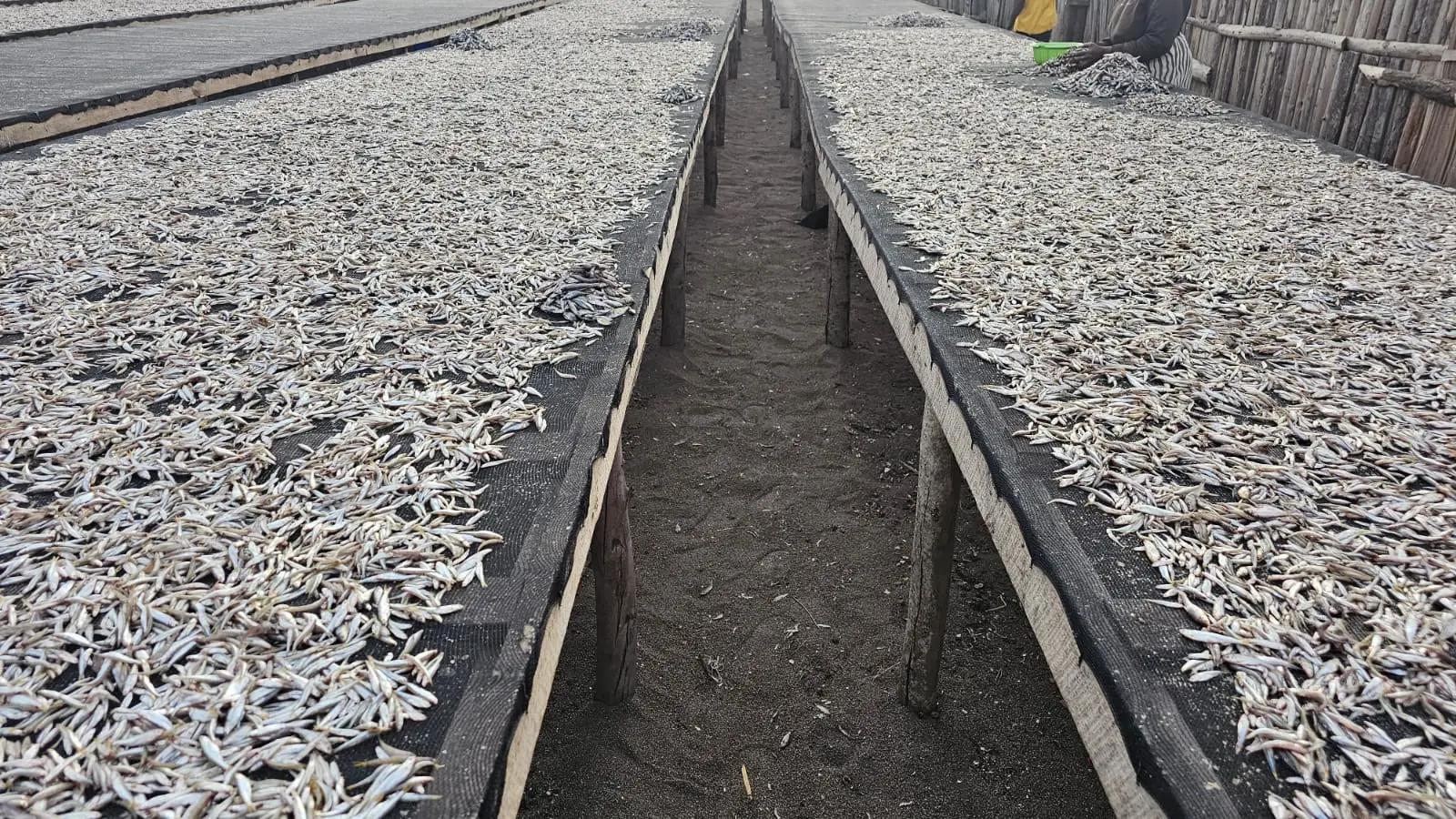
“Formal and informal fisheries play a significant role in the regional economy, employing thousands of people across Africa,” Kuboja said. “Women and young people make a significant contribution to the market’s financial success but face significant risks in carrying out their work.”

She said the research gives TradeMark Africa, its implementing partners Lattice Aquaculture, Kilimo Trust and MicroSave Consulting, and service providers WorldFish and the Eastern African Sub-Regional Support Initiative for the Advancement of Women a knowledge base on current safeguarding issues. It also covers “the direct and indirect environmental risks of delivering the programme in a sensitive ecosystem, so that protections can grow in step with the planned expansion.”
Dependency on boat owners on Lake Victoria
The assessment notes that women make up nearly a quarter of the world’s fishers and fish farmers and more than 60% of those working in processing, according to a 2024 report from the Food and Agriculture Organization (FAO). Even so, it found that women remain the most exposed to risk.
“More than 90% of fishing vessels on Lake Victoria are owned by men, and just 0.1% by women, so many women traders depend on male boat owners for access to the catch,” Kuboja said, citing FAO research from 2019. “This dependency exposes them to exploitation, including gender-based violence and sexual exploitation, abuse and harassment.”
National helplines, one-stop centres and police gender desks exist in all three countries. However, the assessment found they are concentrated in towns and cities, leaving remote fishing communities with little practical access to reporting and support.
The report also documents cultural norms that confine many women to shore-based processing and petty trade. Economic constraints, little collateral, thin savings and unsuitable credit products make it harder for them to build capital, as described in a 2026 study by Ouko and colleagues. “These are precisely the gaps the programme’s financial literacy training, inclusive finance partnerships and market linkages are designed to close,” Kuboja said.
Environmental and wildlife risks
Alongside its social surveys, the team carried out an environmental assessment. “These waters also attract wildlife such as crocodiles and hippos, which can attack people if they feel threatened, and human–wildlife conflict has increased in recent years, so finding ways to work safely in these environments is vital for personal safety and for broader conservation goals,” Kuboja said.
Recommendations for landing sites and border corridors
The report recommends embedding safeguards within the programme’s core activities, including:
- financial literacy training paired with awareness of intimate partner violence;
- ‘Safe Trade’ and ‘Men Against Violence’ campaigns engaging men and boys in preventing gender-based violence;
- confidential, multi-channel reporting supported by trained focal persons at landing sites;
- anti-harassment procedures for border corridors;
- environmental screening and training on food safety, responsible fishing and waste management.
It also identifies low-cost measures at landing sites and markets, such as better lighting, sanitation, safeguarding signage and secure spaces, to reduce the risk of harassment and gender-based violence after dark. Well-designed sites in Tanzania and Kenya are highlighted as models. Over the longer term, the report says widening women’s pathways to owning boats, gear and businesses would help reduce the dependency that drives exploitation.
Plans to embed safeguards as trade grows
Anataria Uwamariya, Business Competitiveness Director at TradeMark Africa, said: “Our ambition through the fisheries programme is to ensure women and young people can participate in, and benefit from, Africa’s fisheries trade on equal terms, with the skills, finance and market linkages they need to build competitive, sustainable businesses. But inclusive trade must also be safe trade.”
She added that the assessment gives the organisation and its partners “the evidence and opportunity to embed strong social and environmental safeguards across the programme, from training rooms to landing sites and border crossings.”
Kuboja said: “As the sector grows, there is the potential to replicate the methodology behind this study in other regions and contexts.”
Frequently asked questions
What is the Women and Youth Economic Empowerment in Fisheries Programme?
It is a five-year joint initiative between TradeMark Africa, the Mastercard Foundation and the AfCFTA Secretariat. It aims to create more than 242,000 jobs for women and young people and raise regional trade in fish and fish products by at least US$100 million by 2028.
Which countries did the RSK fisheries safeguarding assessment cover?
RSK Africa carried out the assessment across Kenya, Tanzania and Uganda on behalf of TradeMark Africa.
Who owns fishing boats on Lake Victoria?
FAO data from 2019 cited in the assessment shows more than 90% of fishing vessels on Lake Victoria are owned by men and just 0.1% by women. As a result, many women traders depend on male boat owners for access to the catch.
What risks do women in East African fisheries face?
The assessment found that dependency on male boat owners exposes women to exploitation, including gender-based violence and sexual exploitation, abuse and harassment. Support services are concentrated in towns and cities, so remote fishing communities have limited access to them.
What does the assessment recommend?
It recommends measures such as confidential reporting at landing sites, anti-harassment procedures for border corridors and campaigns engaging men and boys. It also proposes low-cost improvements such as better lighting, sanitation and secure spaces at landing sites and markets.