
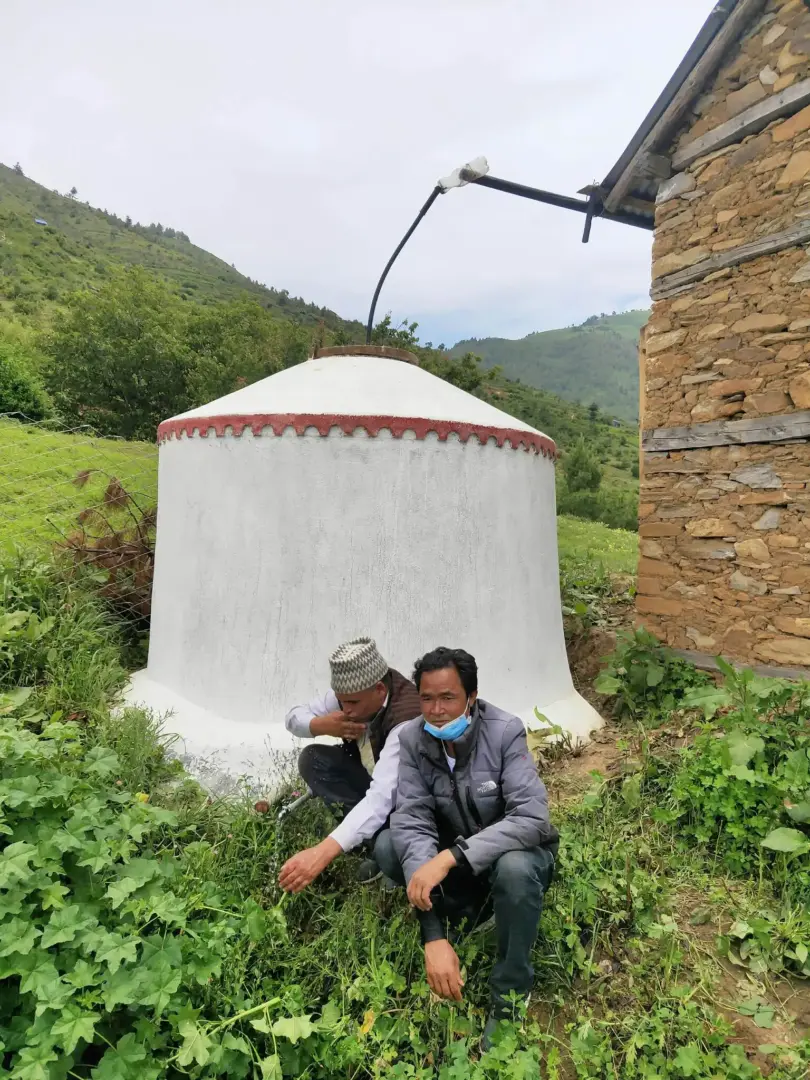
A community-led Nepal water project in Butwal has won the Water category of the 2026 Water Air Food Awards (WAFA), an international nonprofit established in 2008 as a Danish philanthropic association. Partnership for Sustainable Development Nepal was recognised for its project Water Security for Deprived Communities in Butwal, Rupandehi District, which supplies 20,820 cubic metres of safe water a year to families and schoolchildren.
The winners were announced in Copenhagen, Denmark, at the Generation Green Workshop, held as part of the Green Business Forum 2026 at Copenhagen Business School (CBS). The project was chosen from 12 finalists from 10 countries across five continents, based on community-led impact and how well its nature-based solution can be scaled and replicated.
H2O Global News previously reported on the WAFA 2026 finalists when public voting for this year’s edition opened.
Addressing contaminated water in Butwal
In Nepal, only 13% of the population has access to safely managed drinking water, according to WAFA. For years, families in deprived communities in Butwal relied on contaminated water for drinking, cooking and cleaning.
Waterborne diseases such as diarrhoea and typhoid were common, especially among children. Illness kept students out of school and adults away from work, and poor sanitation made it particularly difficult for girls to attend school during menstruation.
Building a WASH system around local needs
Led by Dr Datta Bahadur Rawal, Partnership for Sustainable Development Nepal began by building a full water, sanitation and hygiene (WASH) system around local needs. Water quality testing was used to identify the most urgent problems.
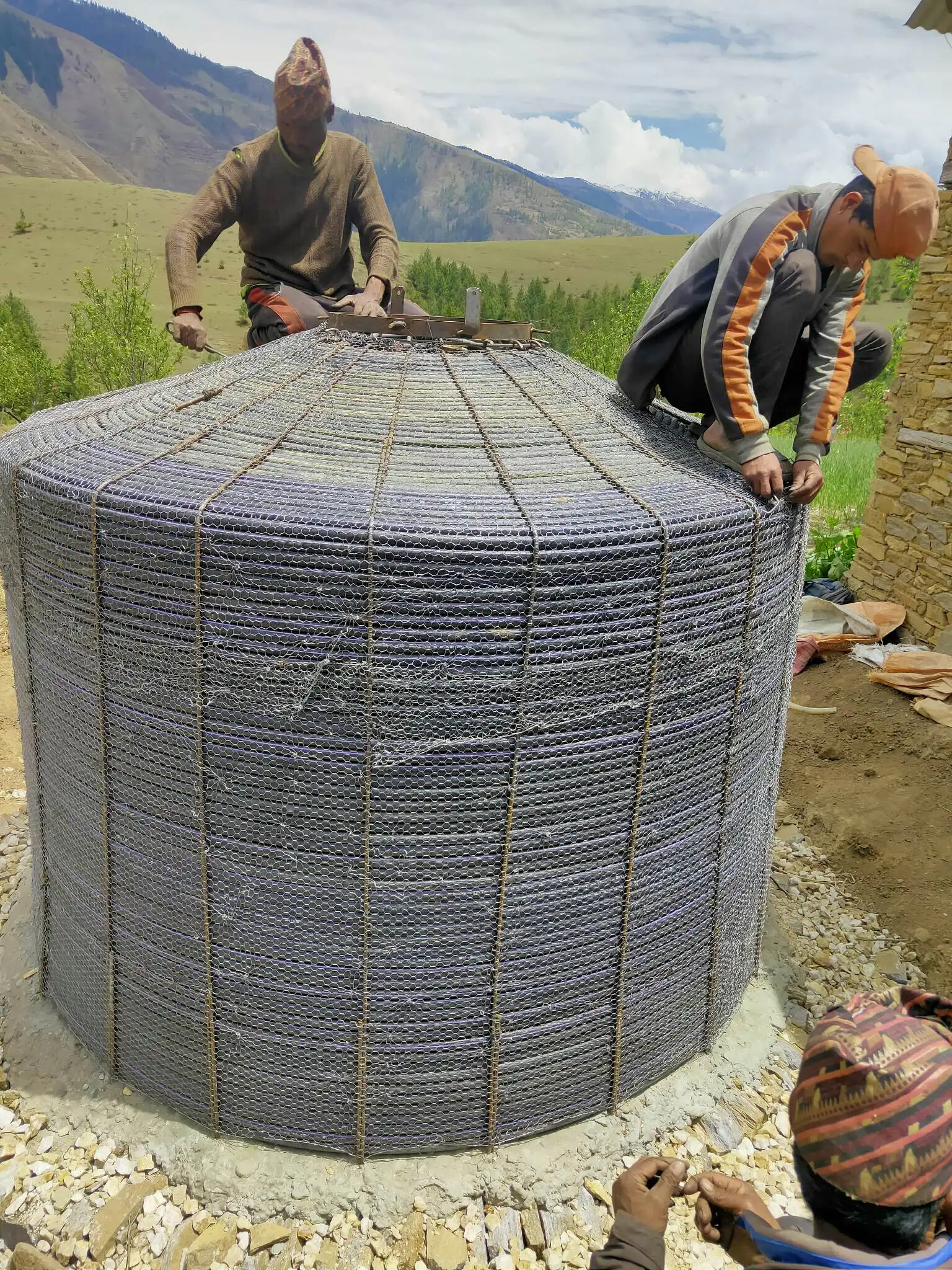
The project installed treatment systems in schools and communities, improved 5 shallow tube wells, upgraded 70 household toilets and built 2 new school toilet blocks. Students took part in hygiene awareness programmes and families were trained in household water purification, so that safer habits spread from classrooms into homes.
Reported impact of the Nepal water project
According to WAFA, the project has delivered the following results:
- 20,820 cubic metres of safe water supplied every year
- About 170 households (around 650 residents) and 450 schoolchildren now have safe drinking water
- About 1,100 people benefit directly, with wider benefits for neighbouring communities
- Open defecation among schoolchildren eliminated, with waterborne disease said to have fallen sharply
- Nearly 13,000 trees planted, offsetting about 286 tonnes of CO₂ every year
- Recharge ponds restored to protect groundwater for future generations
Community management and replication
The community now runs the system itself. Water User Committees and an Operation and Maintenance Committee, half of whose members are women, manage the infrastructure, while families pay monthly into a maintenance fund.
Water quality reports and oversight from local government and partner NGOs are intended to keep the systems accountable. WAFA said the project was designed as a model community in line with Nepal’s national WASH standards and that the approach can be replicated across Nepal and in other regions facing similar water challenges.
Award recognition and other 2026 winners
WAFA said it has recognised 18 Climate Innovators since 2008, reaching 84 million people across 82 countries. The organisation said the award gives the initiative access to its global network, funding and visibility, which could help extend the approach from one district across Nepal and South Asia.
“From the schools of Butwal to communities across Nepal, this initiative shows that lasting water security starts with the people who need it most. They have already done the hard part. Now it’s up to the rest of us to help their work reach further,” said Tina Lindgreen, CEO and Executive Chairperson of WAFA.
The other 2026 WAFA winners were The Flipflopi Project (Kenya) in the Air category, Laboscience Enterprise (Ethiopia) in the Food category and Komb Green Solutions (Kenya) in the Youth Climate Action category. Further detail on the Butwal initiative is available in WAFA’s profile of the project.
Frequently asked questions
Who won the Water category of the 2026 Water Air Food Awards?
Partnership for Sustainable Development Nepal won the Water category for its project Water Security for Deprived Communities in Butwal, Rupandehi District.
How much safe water does the Butwal project supply?
The project supplies 20,820 cubic metres of safe water every year. About 170 households (around 650 residents) and 450 schoolchildren now have safe drinking water, according to WAFA.
Where were the 2026 WAFA winners announced?
The winners were announced at the Generation Green Workshop, held as part of the Green Business Forum 2026 at Copenhagen Business School in Copenhagen, Denmark.
How is the Butwal water system maintained?
The community runs the system through Water User Committees and an Operation and Maintenance Committee, half of whose members are women. Families pay monthly into a maintenance fund, with oversight from local government and partner NGOs.
Who were the other 2026 WAFA winners?
The other winners were The Flipflopi Project (Kenya) for Air, Laboscience Enterprise (Ethiopia) for Food and Komb Green Solutions (Kenya) for Youth Climate Action.


