

Kohtari has been selected to demonstrate drone water quality monitoring, sampling and water intelligence technology in partnership with the Michigan Department of Environment, Great Lakes and Energy (EGLE). The work forms part of Michigan’s Advanced Air Mobility (AAM) Statewide Challenge and will focus on the Grand River in the state’s Great Lakes region.
The project is one of five demonstrations receiving a combined $2M through the Challenge. The Challenge is evaluating advanced aerial technologies in real-world public-sector applications across Michigan.
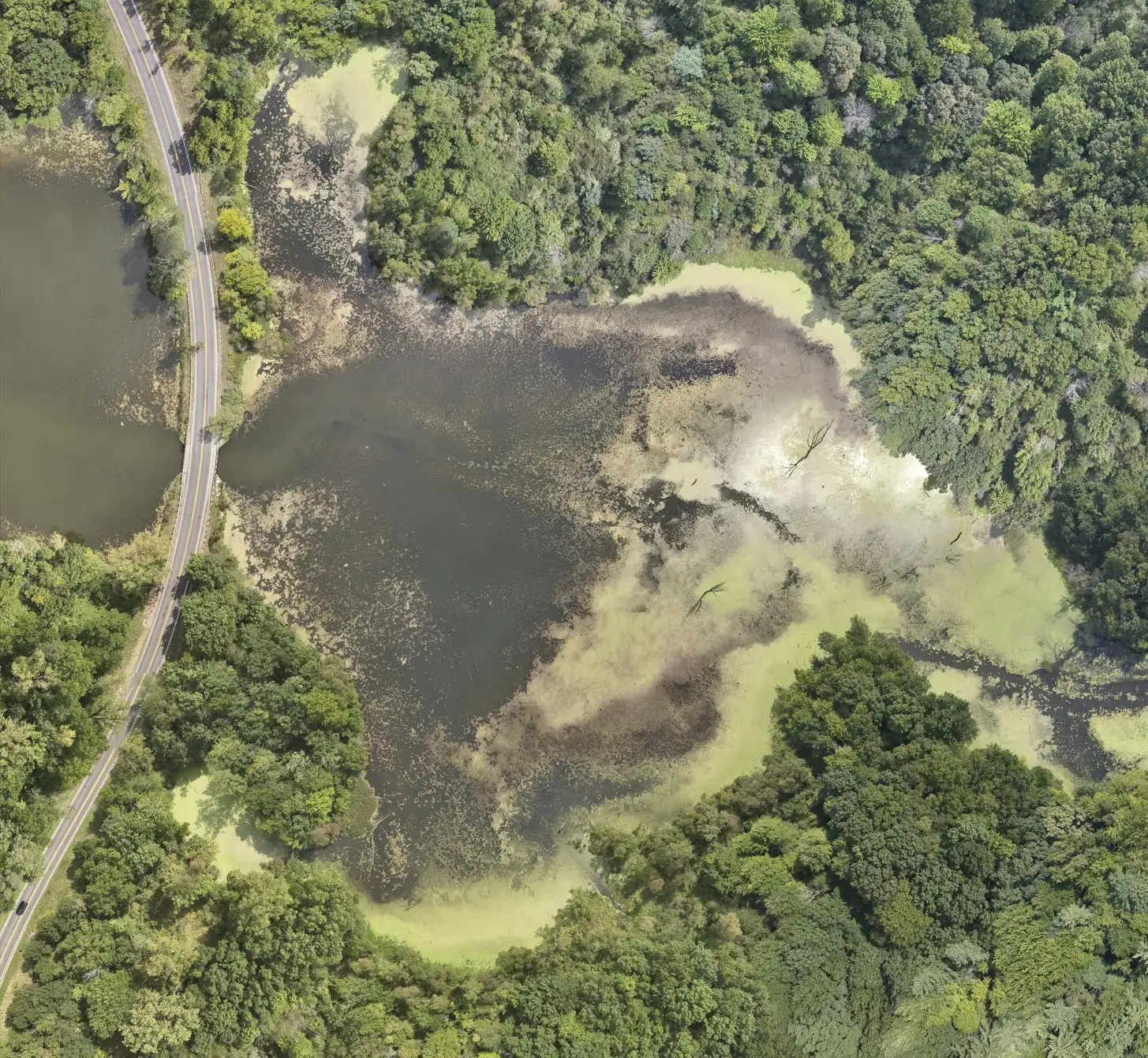
Drone water quality monitoring on the Grand River
The project will explore how more frequent, location-specific data can support faster, safer and more informed water quality monitoring. Kohtari said live sensor data would give a timelier picture of what is happening in the Grand River.
“By using our drone-powered water quality monitoring system, we can collect live, location-tagged water quality readings,” said Kohtari’s chief executive, James Sumsion. “This is a crucial element in a drive towards far better water quality, with the state of Michigan very much leading the way in the US.”
He added: “Using drones, we can sample water quality at locations that are difficult or unsafe to reach manually – at a speed that current methods simply cannot match.”
Predicting harmful algal blooms with WaterIQ
As Kohtari expands its work into the US, it will also implement its WaterIQ platform. According to the company, the platform brings together previously fragmented environmental, operational and monitoring data and uses custom-built AI and machine learning models to show where water risk is building and why.
In this project, the platform will be used to try to predict potentially harmful algal blooms (HABs) before they occur. Kohtari said the approach is designed to show how more frequent, location-specific insight can help water quality teams spot changes and predict events rather than only react to them.
“This is not about simply collecting yet more water data,” said Sumsion. “Covering such an important area in Michigan’s Great Lakes region, we can help make water quality monitoring faster, safer and far more incisive for those who need to make key decisions about the Grand River and beyond.”
“Turning data into simple outputs for meaningful water quality trends is the way forward if we want to enhance the way we protect our precious waterways and coastlines,” he said.
Project partners and next steps
Kohtari is working with EGLE and Detroit-based NextEnergy, which collaborates with innovators on smarter, cleaner and more accessible solutions for communities and cities. The project will also draw on Skyports Drone Services and Seabird for drone operations.
Sumsion said the project could also help demonstrate whether the approach could be replicated in other Michigan waterways.
State regulator’s view
EGLE Deputy Director Ann Larson said: “Michigan continues to take important steps toward improving how we monitor and protect our waterways, new tools like drone‑enabled sampling and smarter data analysis help us understand conditions more quickly and clearly. These practical, forward‑looking solutions strengthen our ability to safeguard natural resources and support communities across the state.”
The demonstration reflects wider interest in more frequent water quality data. H2O Global News has previously reported on how coastal currents expose gaps in Devon sewage pollution monitoring, where conditions can change rapidly between scheduled tests.
Frequently asked questions
What is Kohtari doing in Michigan?
Kohtari has been selected to demonstrate its drone-enabled water monitoring, sampling and water intelligence technology in partnership with Michigan’s Department of Environment, Great Lakes and Energy (EGLE). The project focuses on the Grand River in the Great Lakes region.
How much funding does the Michigan Advanced Air Mobility Statewide Challenge provide?
Kohtari’s project is one of five demonstrations receiving a combined $2M through the Challenge. The Challenge evaluates advanced aerial technologies in real-world public-sector applications across Michigan.
What is Kohtari’s WaterIQ platform?
According to Kohtari, WaterIQ brings together previously fragmented environmental, operational and monitoring data and uses custom-built AI and machine learning models to show where water risk is building and why. In Michigan it will be used to try to predict potentially harmful algal blooms.
Who else is involved in the Grand River drone project?
Kohtari is working with EGLE and Detroit-based NextEnergy. Skyports Drone Services and Seabird are providing drone operations.
Why use drones for water quality sampling?
Kohtari said drones can collect live, location-tagged readings and sample locations that are difficult or unsafe to reach manually, at a speed current methods cannot match.