


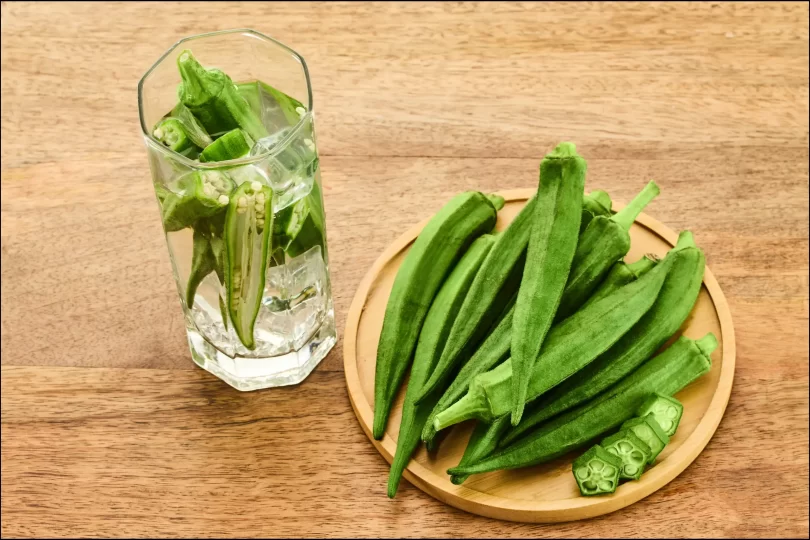
Quick answer: Okra water is made by soaking fresh okra pods in water overnight. Because okra is rich in soluble fibre, vitamin C, vitamin K and antioxidants, the drink may support digestion, blood sugar balance, heart health and skin. That said, most research is on eating okra rather than the water — direct evidence for okra water specifically is limited, and it is best treated as a healthy addition to your diet, not a cure.
Okra water has become a popular natural health drink. Okra, also known as lady’s finger, is a tropical vegetable rich in fibre, vitamins and antioxidants, and soaking it in water is a simple way to enjoy some of those nutrients without cooking. Below we look at what okra water is, the benefits people report, what the science actually shows, and how to make it.
What is okra water?

Okra water is simply the liquid left after soaking fresh okra pods in water, usually overnight. The soaking is thought to draw some of okra’s vitamins, minerals and antioxidants — along with its soluble fibre, or “mucilage” — into the water. It has a mild, slightly earthy taste and is usually drunk on an empty stomach.
Health benefits of okra water
Okra is genuinely nutritious, and okra water is believed to carry some of those benefits. Here are the ones most often cited — framed by what the evidence supports.
1. Supports digestive health

Okra is high in soluble fibre, which adds bulk, supports regularity and feeds beneficial gut bacteria. A fibre-rich diet is well established as good for digestion.
2. May help regulate blood sugar

Soluble fibre slows how quickly sugar is absorbed, which helps steady blood sugar. Studies on eating okra have found it can reduce fasting blood glucose in people with prediabetes or type 2 diabetes. Evidence specific to okra water is limited, so it should complement — never replace — prescribed treatment.
3. Promotes heart health

Okra’s soluble fibre binds to LDL (“bad”) cholesterol in the gut and helps remove it, and fibre-rich diets are linked to lower risks of heart disease and stroke. As part of a balanced diet and active lifestyle, okra can support heart health.
4. May aid weight management

Okra water is naturally low in calories, and its fibre helps you feel full for longer, which can make it easier to avoid over-snacking. It is a supportive habit within a balanced diet rather than a weight-loss solution on its own.
5. Supports skin health

Okra contains vitamin C and antioxidants, which help the body make collagen and protect skin cells from damage. A diet rich in these nutrients supports healthy skin.
What does the evidence actually say?
It is worth being clear-eyed about okra water. Most of the research showing benefits — particularly for blood sugar — is based on eating okra, not drinking the soaked water, and scientists have not confirmed how many of okra’s nutrients actually transfer into the water. Health authorities note that direct evidence for the okra-water trend is limited. That doesn’t mean it’s useless: it’s a low-calorie, hydrating drink that may deliver some fibre and vitamins. But it is best seen as a healthy habit, not a treatment. If you have diabetes or another condition, talk to a doctor before relying on okra water, and don’t use it to replace any prescribed medication.
How to make okra water
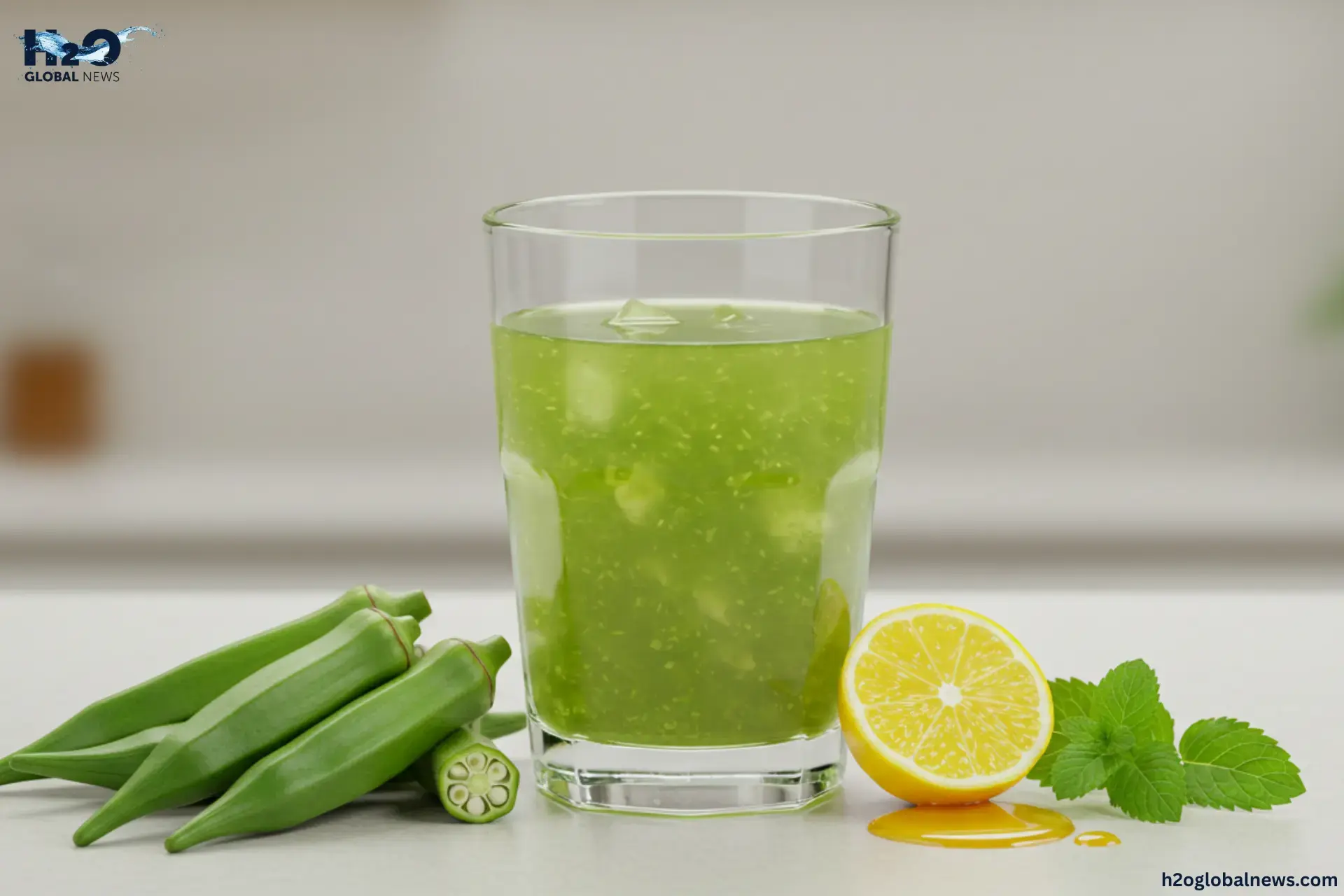
- Wash 3–4 fresh okra pods thoroughly.
- Trim the ends and slit each pod, or slice them in half, to help the nutrients infuse.
- Place them in a glass of water and soak overnight, for about 8 hours.
- In the morning, remove and squeeze the pods, then drink the water — ideally on an empty stomach.
Key takeaways
- Okra water is made by soaking okra pods in water overnight.
- Okra is rich in soluble fibre, vitamin C, vitamin K and antioxidants.
- Reported benefits — digestion, blood sugar, heart and skin health — mostly reflect eating okra; direct evidence for the water is limited.
- It is a healthy, low-calorie drink, not a cure or a substitute for medical treatment.
- If you have a health condition, check with a doctor before using it regularly.
Conclusion
Okra water is an easy, low-calorie drink that can add a little fibre and a few vitamins to your day, and okra itself is a genuinely healthy vegetable. Just keep expectations realistic: the strongest evidence is for eating okra, not the soaked water, so enjoy okra water as one small part of a balanced diet rather than a miracle fix.
Frequently asked questions
Okra water is the liquid left after soaking fresh okra pods in water, usually overnight. The soaking is thought to release some of okra’s fibre, vitamins and antioxidants into the water, creating a mild-tasting drink.
Okra itself is rich in soluble fibre, vitamin C, vitamin K and antioxidants, which support digestion, blood sugar control, heart health and skin. Okra water may offer some of these benefits, though direct scientific evidence on the water specifically is limited.
Studies on eating okra suggest it can help lower fasting blood sugar, thanks to its soluble fibre. However, there is little direct research on okra water, and it should not replace prescribed diabetes treatment. Speak to a doctor before using it for blood sugar control.
Wash a few fresh okra pods, trim the ends, slit or halve them, and soak them in a glass of water overnight (about 8 hours). Remove the pods in the morning and drink the water, ideally on an empty stomach.
Okra water is generally safe in moderation. Because okra is high in fibre and contains oxalates and vitamin K, large amounts may cause bloating or interact with blood-thinning medication. Anyone with kidney-stone risk or on such medication should check with a doctor.
Evidence is limited. Most research is on eating okra rather than the water, and scientists haven’t confirmed how many nutrients transfer into it. Okra water can be part of a healthy diet but is not a proven treatment for any condition.
Sources
- MD Anderson Cancer Center, Okra water: Should you be drinking it?
- Medical News Today, Okra water benefits, side effects, and how to make it.
This article is for general information and is not medical advice. Speak to a qualified healthcare professional before making changes to your diet, especially if you have a health condition or take medication.