


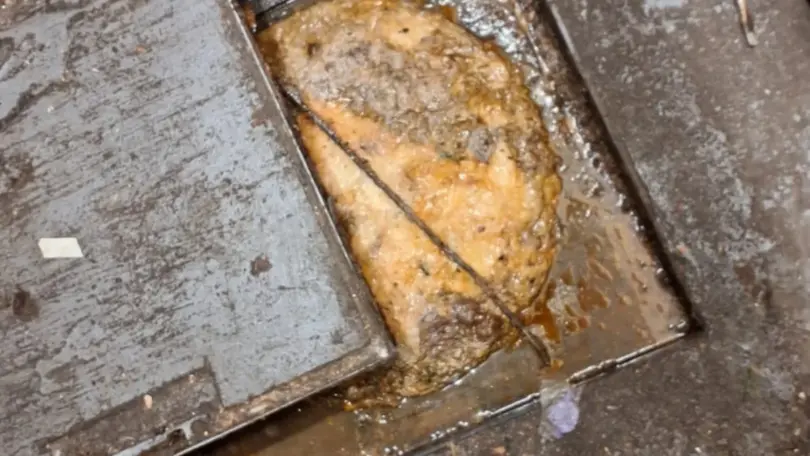
South West Water has published findings from summer inspections of drainage systems serving Devon food businesses. The inspections uncovered large amounts of fats, oils and grease (FOG) beneath cafés, restaurants, takeaways and an ice cream parlour across the county.
The company released the examples to mark World Toilet Day on 19 November. It said its teams visited premises during the busy summer season to check drainage systems and work with owners to identify improvements, with the aim of reducing the risk of avoidable sewer blockages and flooding.
What inspectors found beneath Devon food businesses
Issues identified during the visits included:
- Exmouth: a substantial grease build-up discovered while investigating an internal flooding incident at a kebab shop.
- Exmouth: fats, oils and grease accumulating beneath an ice cream parlour despite grease management measures being in place.
- Sidmouth: large quantities of FOG within drainage chambers serving a café, restricting the flow of wastewater.
- Cranbrook: grease build-up beneath manholes serving a food business, prompting a review of waste management and grease control measures.
- Exeter: FOG entering the drainage network, leading to practical improvements to waste management arrangements.
According to the company, the visits showed how quickly FOG can build up when existing controls are not working as effectively as intended. Images captured during the inspections show some of the build-up found beneath food premises.
Reviewing grease traps and waste management
South West Water said it worked alongside business owners to review waste management arrangements and identify practical improvements to reduce the amount of FOG entering drainage systems. Measures ranged from maintaining grease traps to improving waste disposal practices.
Adrian Robinson, Team Manager of the Sewer Network Protection Team at South West Water, said: “What happens beneath food businesses can have a real impact on the sewer network.
“Our visits over the summer highlighted how quickly FOG can build up, especially at restaurants and cafes, and the importance of making sure it’s disposed of correctly.
“Many businesses already have measures in place for FOG like grease traps, but it’s important these are regularly checked and maintained to ensure they are working effectively.
“By working with businesses to identify issues and share practical advice, we can help prevent blockages, reduce the risk of flooding and pollution, and protect the environment.”
Why FOG causes sewer blockages
When poured down sinks and drains, FOG cools and solidifies, gradually building up inside pipes and restricting the flow of wastewater. Combined with items such as flushed wet wipes, it can contribute to stubborn blockages known as fatbergs, which can lead to flooding and pollution incidents.
Last year, South West Water cleared more than 5,500 avoidable blockages from its network. Many were linked to FOG, alongside wet wipes and sanitary products flushed down toilets. H2O Global News has previously reported on the causes of those 5,500 avoidable blockages and on the company’s Bin It, Don’t Block It support for food businesses.
Advice for businesses and households
The company said the inspections form part of its ongoing work to tackle avoidable sewer blockages. It is encouraging businesses and households to:
- avoid pouring fats, oils or grease down sinks and drains;
- scrape leftover food into the bin before washing up;
- regularly maintain grease management equipment such as grease traps and interceptors;
- dispose of food waste and cooking oils appropriately;
- only flush the three Ps: pee, poo and paper.
Further guidance is available on South West Water’s Bin It, Don’t Block It FOG disposal page.
Frequently asked questions
What did South West Water find beneath Devon food businesses?
Summer inspections found build-ups of fats, oils and grease in drainage systems serving cafés, restaurants, takeaways and an ice cream parlour in Exmouth, Sidmouth, Cranbrook and Exeter.
Why are fats, oils and grease a problem for sewers?
When poured down sinks and drains, FOG cools and solidifies, building up inside pipes and restricting wastewater flow. Combined with items such as wet wipes, it can form fatbergs that lead to flooding and pollution incidents.
How many avoidable sewer blockages did South West Water clear last year?
South West Water cleared more than 5,500 avoidable blockages from its network last year, many linked to FOG, wet wipes and sanitary products.
What should food businesses do to prevent grease blockages?
South West Water advises regularly checking and maintaining grease traps and interceptors, scraping leftover food into the bin and disposing of food waste and cooking oils appropriately.
Why did South West Water release the findings on 19 November?
The company shared the examples to mark World Toilet Day, which falls on 19 November.


