


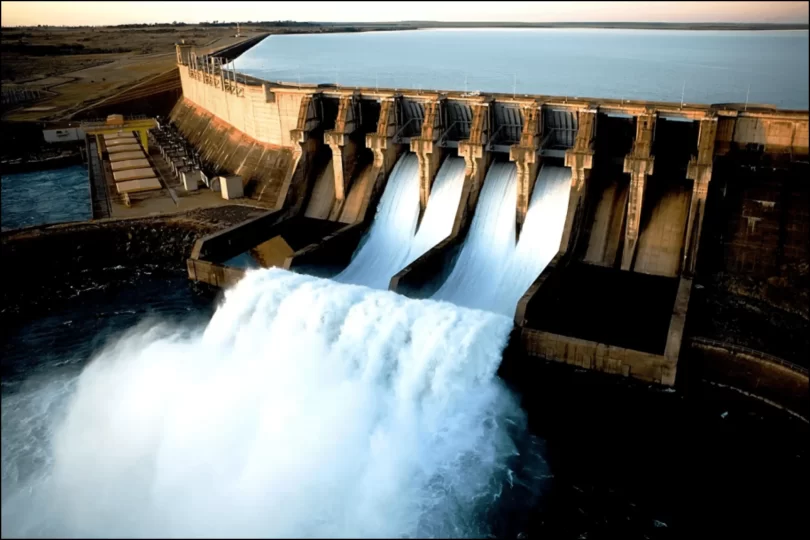
Quick answer: Hydropower is electricity generated from moving water, usually released through a dam to spin turbines. It is the world’s largest source of renewable electricity — clean, efficient and long-lasting — but its big drawback is that large dams can disrupt ecosystems, block fish migration and displace communities.
Hydropower has been used for thousands of years, from water wheels grinding grain to modern hydroelectric plants, and it was the first renewable source used to generate electricity. In 2022 it provided about 6.2% of total US electricity and 28.7% of US renewable generation, and globally it remains the largest renewable electricity source. Yet its share is being challenged as solar and wind grow. So is hydropower truly a leading green energy source, or does it carry serious drawbacks? This article weighs both sides.
What is hydropower?
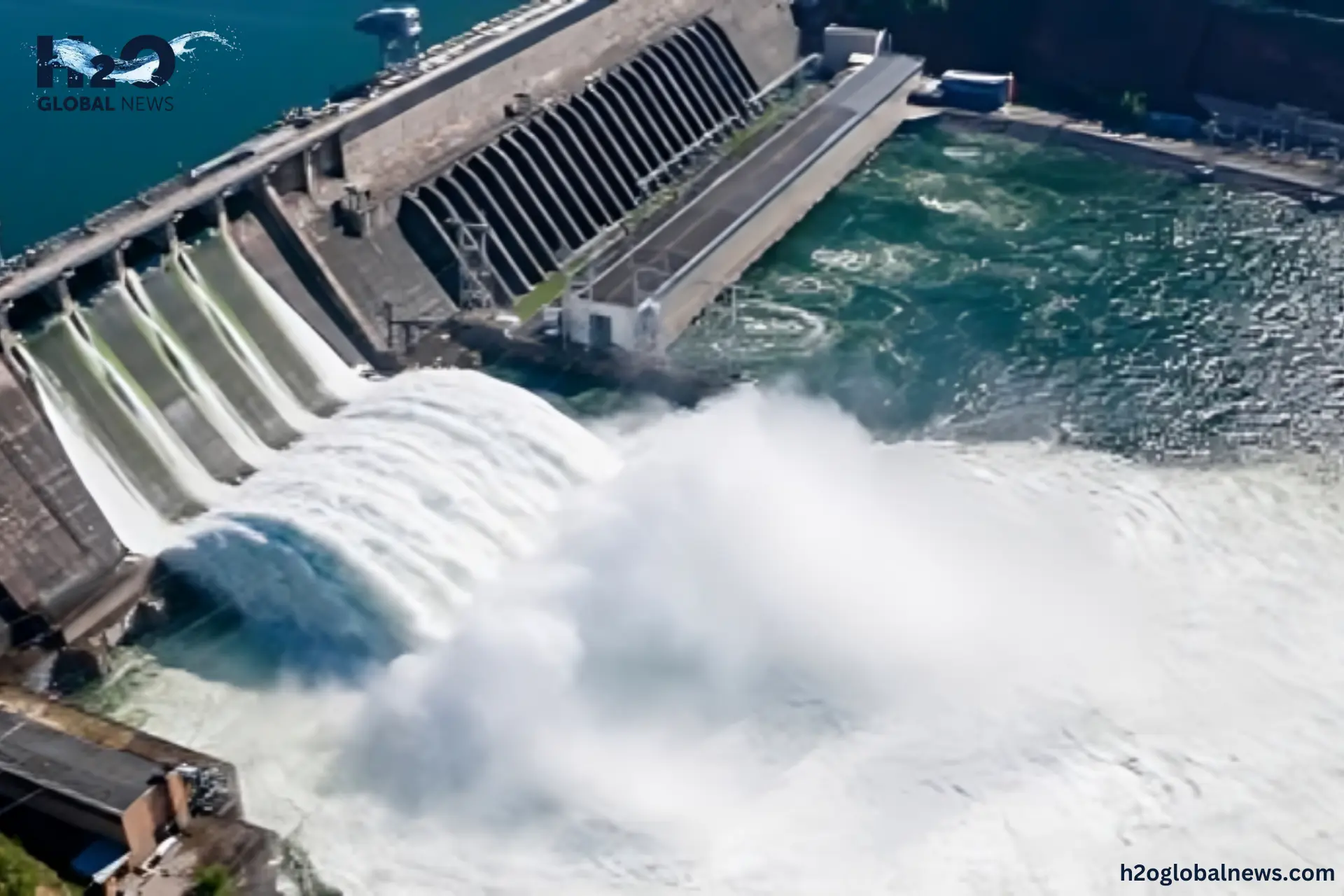
Hydropower, also known as hydroelectric energy, generates electricity using water from rivers, dams and reservoirs. Water released from a height is channelled through turbines; the moving water spins the turbine blades, which drive a generator that converts the motion into electricity. Because it draws on the natural water cycle, hydropower is renewable and produces electricity without burning fuel.
Hydropower advantages and disadvantages at a glance
| Advantages | Disadvantages |
|---|---|
| Clean, renewable, low-carbon | Dams disrupt ecosystems & block fish migration |
| Highly efficient, long lifespan | High upfront cost, slow to build |
| Reliable & flexible power supply | Can displace local communities |
| Supports irrigation & flood control | Alters river flow, temperature & oxygen |
| Creates jobs & economic growth | Reservoirs can emit methane |
What are the advantages of hydropower?
1. Highly efficient and long lifespan
Hydropower is one of the most efficient ways to generate electricity, converting most of the energy in moving water into power. Well-built plants can operate for many decades, and older plants are often upgraded rather than replaced.
2. A reliable energy source
Because water can be stored behind a dam and released on demand, hydropower provides a steady, flexible supply that can be ramped up quickly to meet peaks — a valuable complement to variable sources like solar and wind.
3. Helpful for agriculture
The reservoirs behind dams store water that can be used for irrigation, supporting farming in regions where water supply is uneven through the year.
4. Clean and renewable
Hydropower relies on the water cycle and generates electricity without burning fossil fuels, making it a low-carbon source that helps reduce reliance on coal and gas.
5. Economic growth and flood control
Hydropower supports jobs and investment — the US Department of Energy projects the hydropower workforce will grow to around 120,000 by 2030 — and dams help manage river flow to reduce flooding in vulnerable areas.
What are the disadvantages of hydropower?
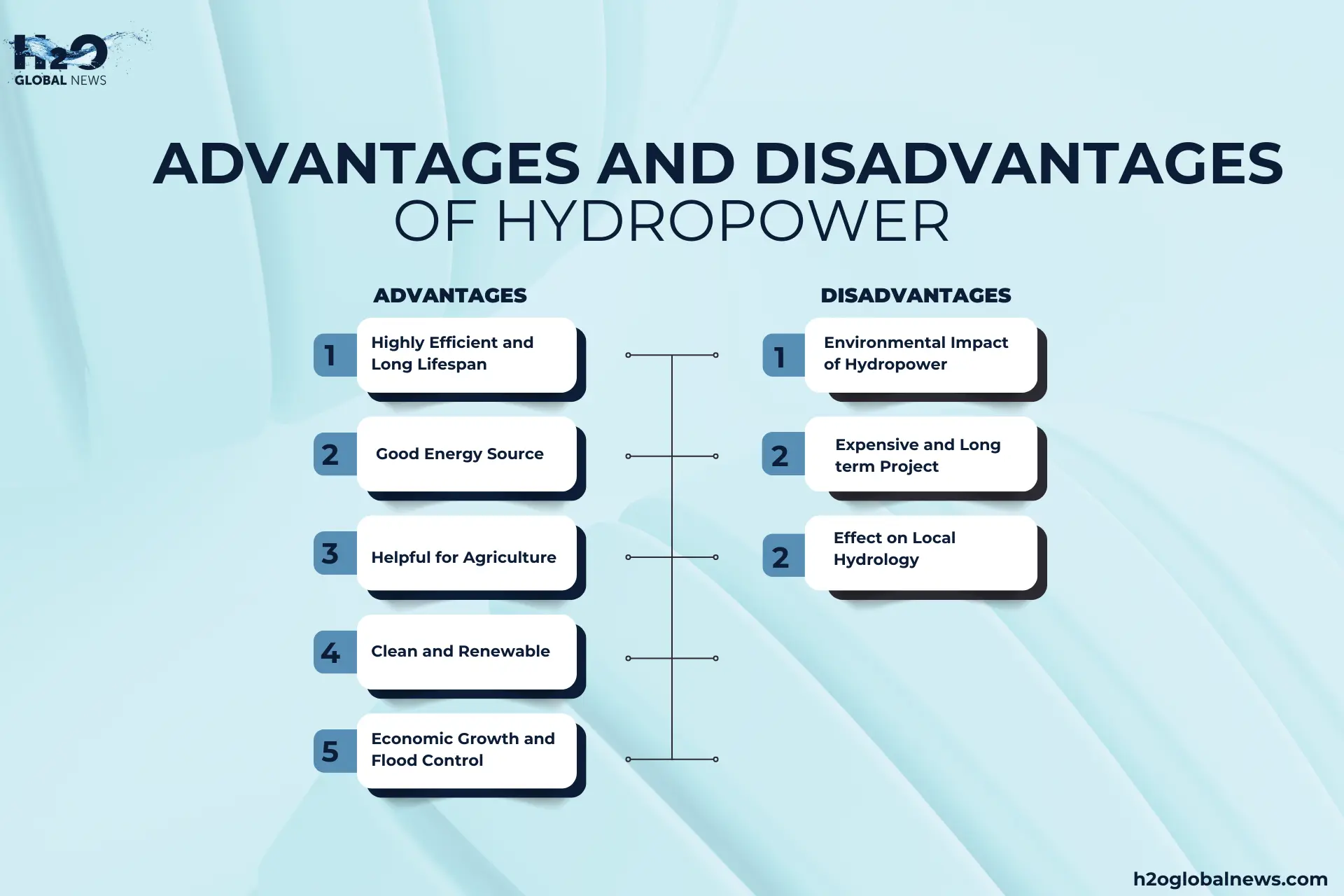
1. Environmental impact
The environmental toll is hydropower’s biggest drawback. Dams alter natural ecosystems — changing water temperature, blocking fish migration and lowering oxygen levels in rivers — and large projects flood significant areas of land. China’s Three Gorges Dam, for example, displaced around 1.3 million people.
2. Expensive and long-term
Hydropower plants require huge upfront investment and take years to build, with costs and timelines that can be hard to predict. Suitable sites with the right geography and water flow are also limited.
3. Effect on local hydrology
By holding back and redirecting water, dams change the natural flow of rivers downstream, affecting sediment movement, water availability and the communities and habitats that depend on the river.
4. Reservoir greenhouse gases
Although hydropower is low-carbon in operation, vegetation flooded and decaying in reservoirs can release methane, a potent greenhouse gas — a factor increasingly considered when assessing a dam’s true climate impact.
Key takeaways
- Hydropower generates electricity from moving water and is the world’s largest renewable electricity source.
- Its advantages: clean, efficient, long-lasting, reliable, and supportive of irrigation and flood control.
- Its disadvantages: ecosystem disruption, high cost, community displacement, altered river flow and reservoir methane.
- In the US it supplies about 6.2% of electricity and 28.7% of renewables.
- Well-planned projects can balance clean-energy benefits against environmental and social costs.
Conclusion
Hydropower is a proven, low-carbon workhorse of renewable energy — efficient, reliable and long-lived — and it plays an important role alongside water management and flood control. But its benefits come with real environmental and social costs, from disrupted rivers to displaced communities. The largest dams and reservoirs show both its power and its trade-offs. Weighing those carefully is the key to using hydropower wisely.
Frequently asked questions
Hydropower, or hydroelectric energy, is electricity generated from the movement of water — usually water released from a dam or flowing river spins turbines connected to generators. It is the world’s largest source of renewable electricity.
Moving water — often stored behind a dam — is channelled through turbines. The flowing water spins the turbine blades, which drive a generator that converts the motion into electricity.
It is clean, renewable and highly efficient with a long lifespan, provides reliable and flexible electricity, supports irrigation and flood control, and creates jobs and economic growth.
Large dams can damage ecosystems, block fish migration and alter river flow and temperature; projects are expensive and slow to build; reservoirs can displace communities; and decaying vegetation in reservoirs can release methane.
Yes. Hydropower is renewable because it relies on the water cycle, and it generates electricity without burning fuel. It does have environmental impacts, and reservoirs can emit some greenhouse gases, but its operation is low-carbon overall.
It has both benefits and costs. It provides low-carbon electricity and flood control, but building dams can disrupt ecosystems, fish and communities, so projects must be carefully planned and managed.
Sources
- International Energy Agency, Hydroelectricity (world’s largest renewable electricity source).
- U.S. Energy Information Administration & Department of Energy — US hydropower generation share and workforce outlook.